Follow Me On Social Media!

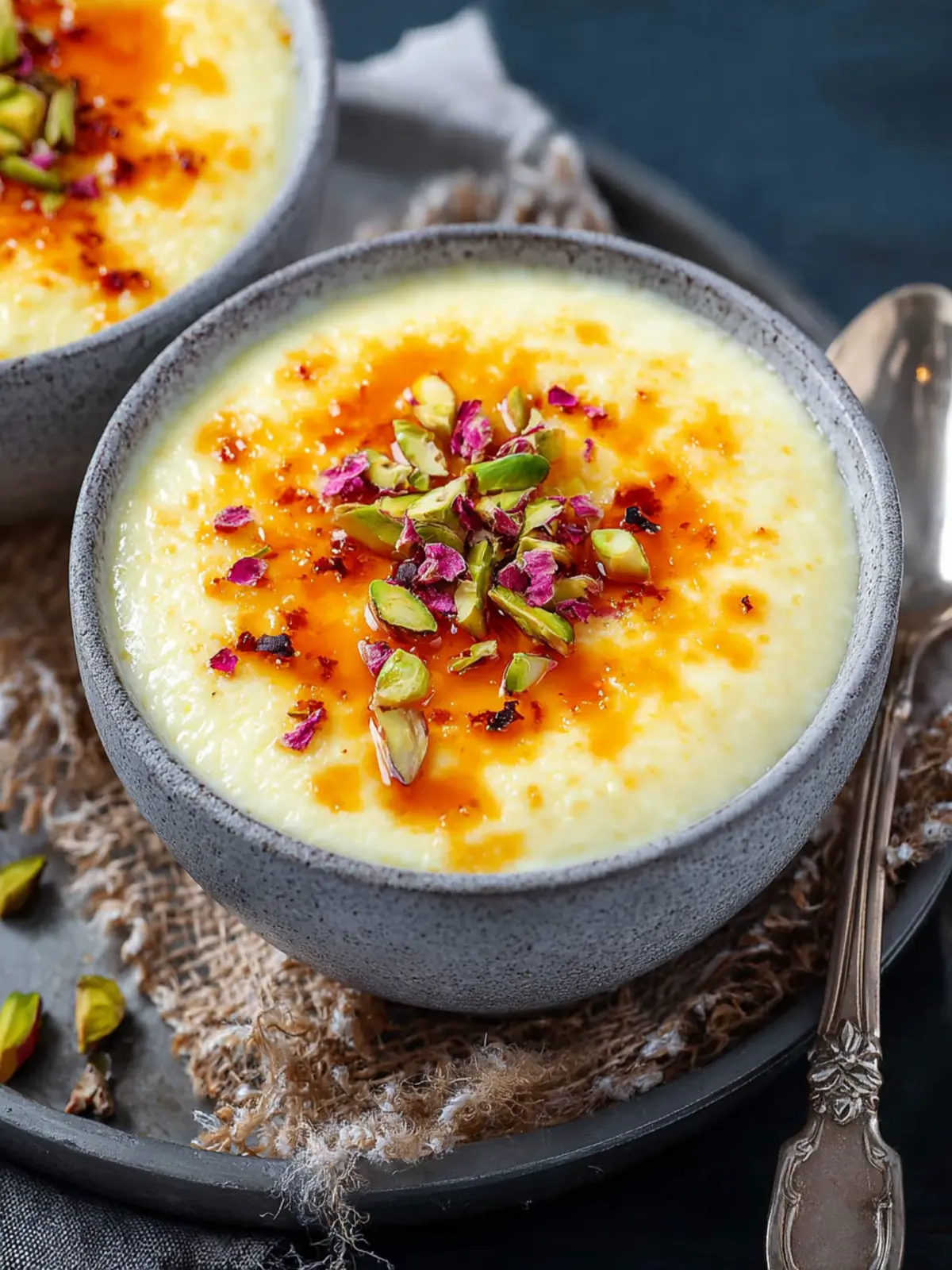
Rabdi Recipe: Irresistibly Creamy Delight to Make at Home

Introduction to Rabdi (Rabri)
There’s something truly magical about savoring a bowl of Rabdi that conjures up feelings of warmth and nostalgia. This traditional Indian dessert, often enjoyed during festivals and family gatherings, is a testament to the richness of Indian culinary heritage. The lovingly prepared Rabdi is a creamy, sweetened milk dessert, delicately flavored with cardamom and sometimes enriched with saffron or nuts. It’s not just a dish; it’s a story passed down through generations, a symbol of celebration and togetherness.
The Rich Tradition Behind Rabdi
Rabdi, also known as Rabri, holds a cherished spot in Indian culture. Originating in the North, it boasts a legacy that spans centuries. The dish is not just about taste; it’s about the experience of gathering around a table filled with loved ones, sharing laughter and joy.
As the milk simmers and reduces on the stove, a delightful fragrance fills the kitchen, evoking memories of childhood and family gatherings. It’s a dish that speaks to the heart, drawing people in with its creamy texture and rich flavors. Traditionally served chilled, Rabdi is often paired with desserts like jalebi or gulab jamun, making for a decadent treat that’s hard to resist.
You may wonder why Rabdi has remained such a popular dessert throughout the years. Apart from its deliciousness, its versatility is key; it can be enjoyed on its own or as a complement to other sweets. Each region of India has its own unique twist on this beloved dessert, with variations in preparation and ingredients that reflect local tastes and traditions.
When you embark on your own Rabdi recipe journey, you’re not just making dessert—you’re becoming a part of a vast culinary tapestry that honors the past while creating new memories. So, let’s roll up our sleeves and dive into making the most delightful Rabdi_ you’ve ever tasted!
Key Ingredients for Rabdi (Rabri)
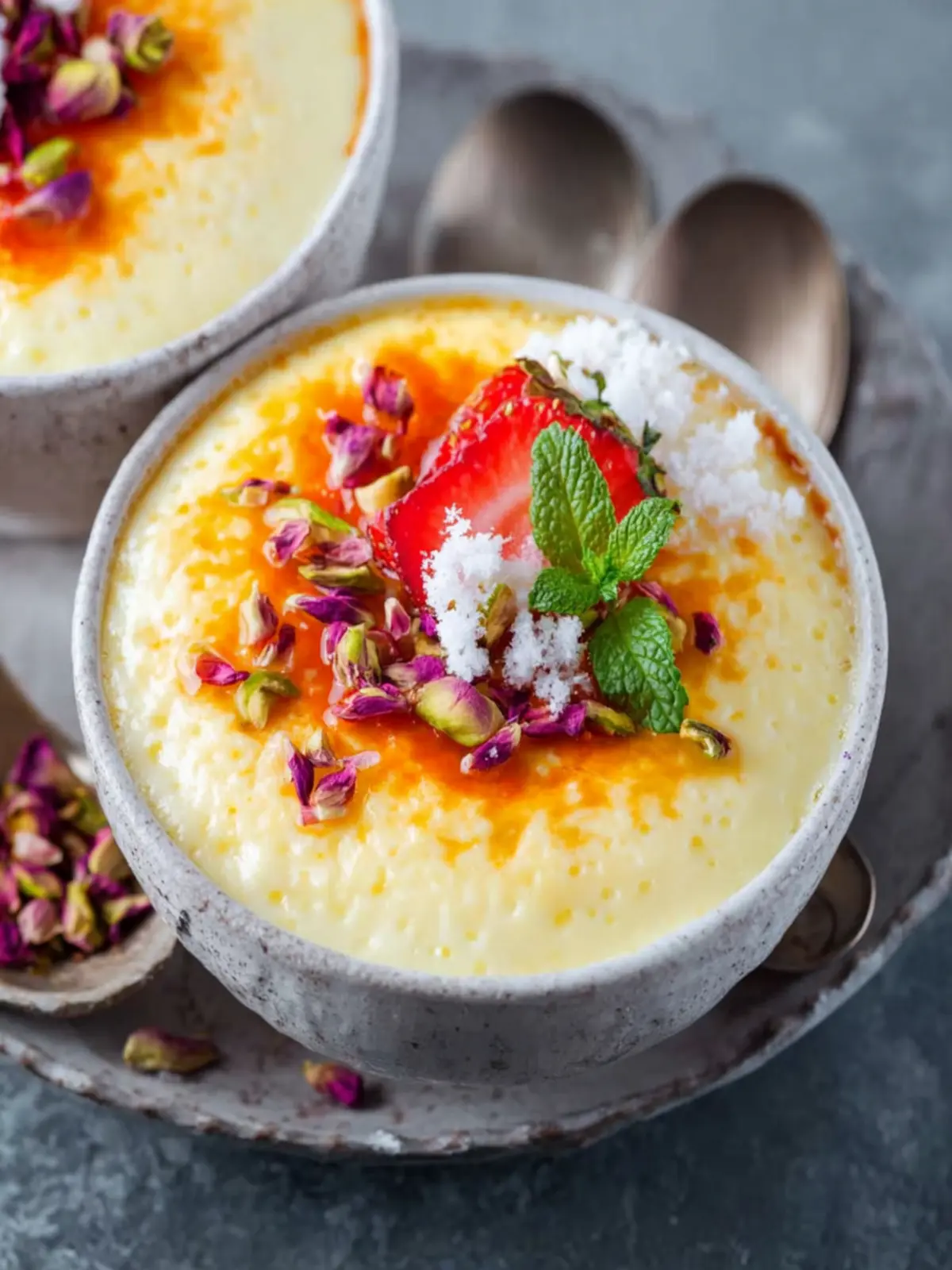
Creating a luscious Rabdi is all about the right ingredients, each contributing to the unique texture and rich flavor that’s so beloved. Let’s explore the key components that make this creamy dessert a standout.
-
Full-Fat Milk: The heart of any Rabdi recipe, full-fat milk is crucial. It reduces beautifully, creating a rich and creamy base that you won’t get with low-fat varieties. Ideally, use fresh milk for the best taste.
-
Sugar: Sweetness is vital, and granulated sugar is typically what you’ll need. Adjust it based on your preference; you may prefer a little less if you like the natural creaminess to shine through.
-
Cardamom: This spice adds a warm, aromatic essence to the dish. Ground cardamom is commonly used, but using freshly crushed pods can elevate the flavor even further.
-
Saffron: For that luxurious touch, saffron threads add not just stunning color but also a distinct flavor profile. Just a pinch will do, as a little goes a long way.
-
Nuts: Chopped almonds and pistachios scattered on top offer a delightful crunch. They bring texture and a nutty flavor that perfectly complements the creaminess of the Rabdi.
Each of these ingredients plays a key role in making Rabdi a truly special dessert that captures the essence of Indian cuisine. Don’t skimp on quality; you’ll taste the difference!
Why You’ll Love This Rabdi (Rabri)
Rabdi, a decadent and creamy dessert, has a unique way of wrapping you in warmth and nostalgia with every bite. Imagine sinking your spoon into a pool of silky smooth milk, infused with cardamom and garnished with vibrant nuts. This Rabdi recipe captures the essence of tradition while being incredibly simple to make, making it an irresistible treat for any occasion.
The Comforting Nature of Rabdi
Rabdi isn’t just a dessert; it’s comfort in a bowl. Whether you enjoy it on a chilly evening or as a refreshing end to a spicy meal, its rich flavors and creamy texture provide solace to the soul. The slowly simmered milk reduces to a luscious thickness, each bite transporting you back to family gatherings around a dinner table.
You’ll adore the way the delicate scent of cardamom delicately wafts through your kitchen, inviting everyone to share in the sweetness. Rabdi elevates a casual weeknight into something special, and when topped with crunchy almonds and pistachios, it becomes a feast for the senses.
Why stick to the ordinary when this traditional Indian delight can transform your dessert game? After just one spoonful of this Rabdi recipe, it’s easy to see why it remains a beloved classic across generations. Enjoying Rabdi is not just about indulgence; it’s an experience that embraces simplicity and joy.
Cooking Tips for Rabdi (Rabri)
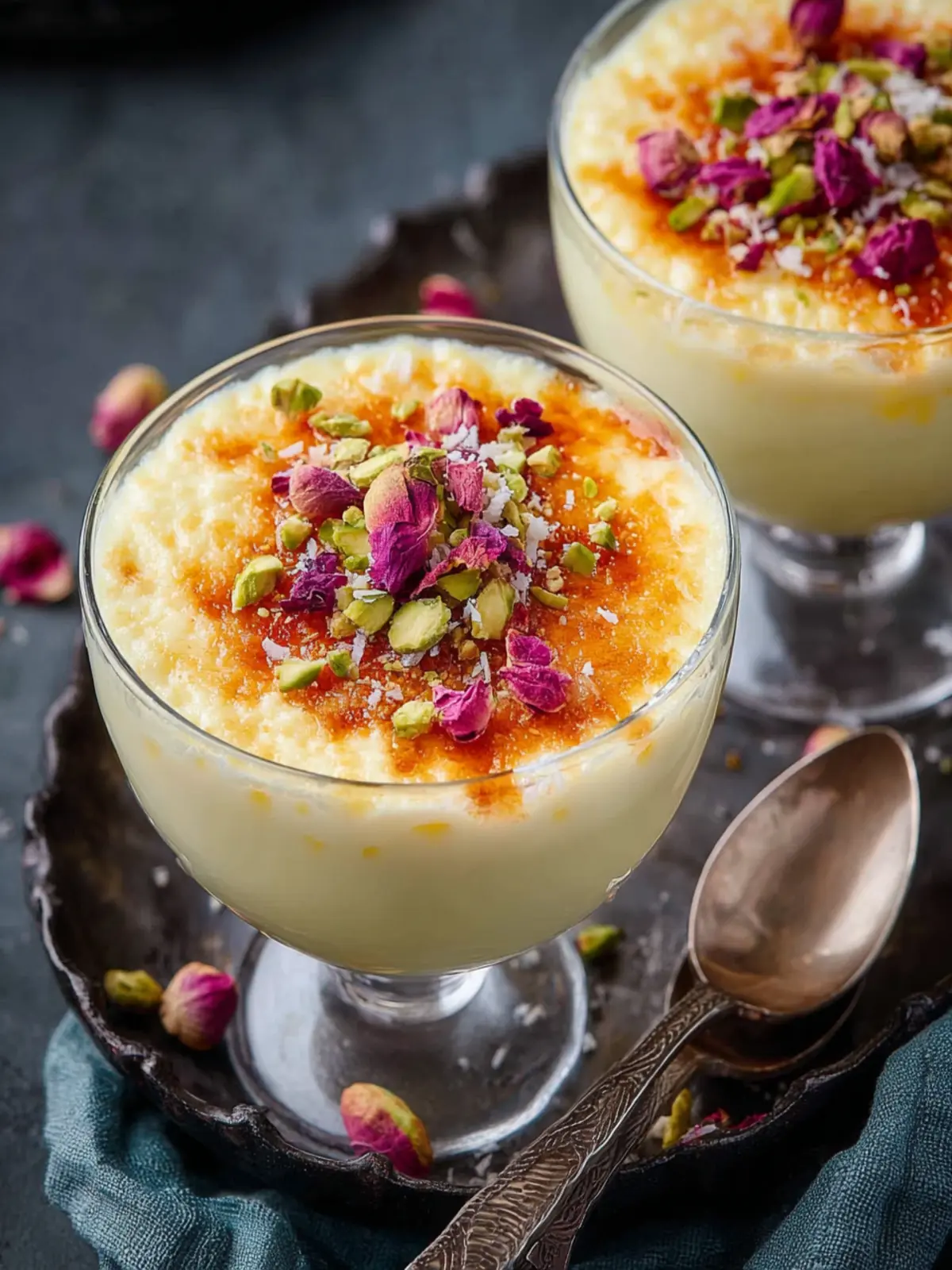
Making Rabdi, a rich and creamy Indian dessert, can be a delightful journey through flavors and textures. To enhance your experience, pay close attention to the following tips.
Achieving the Perfect Consistency
Getting the right consistency is crucial for a delectable Rabdi recipe. Here’s how to nail it:
-
Use Full-Fat Milk: Always opt for full-fat milk for a creamy and indulgent texture. It helps achieve that luxurious thickness that Rabdi is known for. Begin by simmering the milk gently to avoid scorching.
-
Slow Cooking: Patience is your best friend. Cook the milk on low heat. This slowly reduces it, allowing flavors to concentrate without burning. It’s a time-consuming process, but trust me, it’s worth every minute.
-
Stir, Stir, Stir: Keep stirring the milk as it reduces. This prevents it from sticking to the bottom of the pan, ensuring a smooth and velvety finish. A gentle whisk can help create an airy consistency as well.
-
Use a Heavy-Bottomed Pan: A thick kadai or heavy-bottomed pot can disperse heat evenly, resulting in better consistency.
-
Check for Thickness: You want a pudding-like consistency—not too runny, but not overly thick. Take it off the heat when it coats the back of a spoon.
These simple, yet effective tips will help you create the perfect Rabdi that’s sure to impress your friends and family!
Time Breakdown for Making Rabdi (Rabri)
Creating delicious Rabdi is not just a cooking task—it’s an experience steeped in tradition and flavor. When you sit back to savor this rich, creamy dessert, you’ll realize that every minute spent preparing it is worth the indulgence. Let’s take a closer look at how your time will be spent in making this delightful treat.
Preparation Time
Getting ready to make Rabdi takes about 10-15 minutes. This involves gathering your ingredients, chopping any nuts, and measuring out the milk and sugar.
Cooking Time
The real transformation happens as you cook. You’ll spend approximately 60 minutes simmering the milk to achieve that perfect, thickened consistency topped with a hint of cardamom.
Total Time
In total, you’re looking at around 70-75 minutes to create this delicious Rabdi_. Patience is key, but trust me, the results will be heavenly!
Nutritional Facts for Rabdi (Rabri)
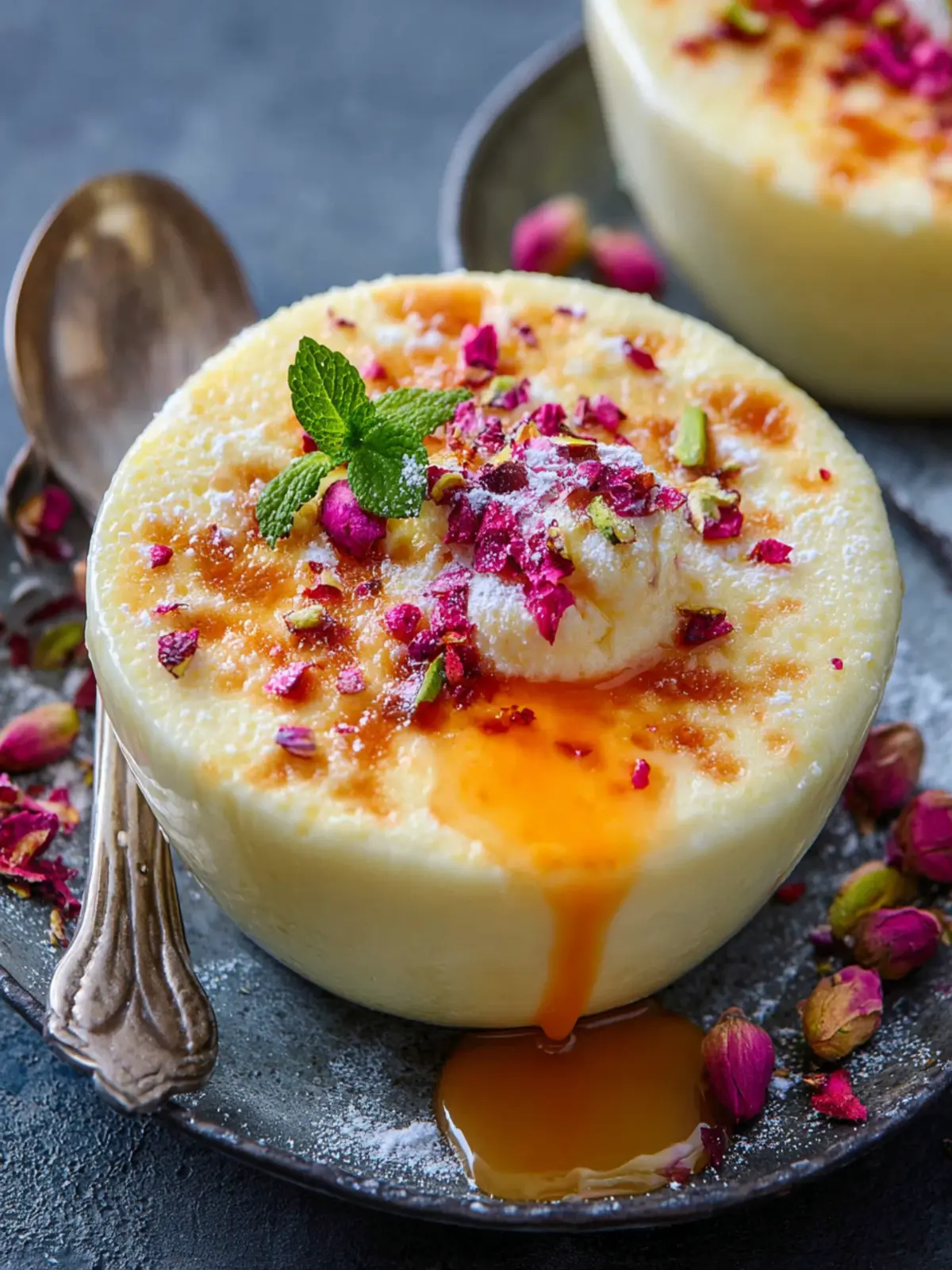
Understanding the nutritional facts for Rabdi (Rabri) can enhance your appreciation of this creamy dessert. It’s not just indulgent but also packed with nutrients that can fit into a balanced diet.
-
Calories: A serving of Rabdi typically contains around 250–350 calories, dependent on sugar and milk fat content.
-
Protein: This delightful treat offers about 8–10 grams of protein per serving, primarily from the milk used in the recipe, making it a comforting and fortifying dessert.
-
Carbohydrates: Expect to find roughly 30–40 grams of carbohydrates in a serving. Most of these come from the sugar and milk, providing that sweet boost you crave after a meal.
Enjoying Rabdi in moderation lets you savor its rich flavors and nutritional benefits, making it a perfect finishing touch to any meal.
FAQs about Rabdi (Rabri)
Exploring the world of Rabdi can be an exciting culinary journey, especially when you dive into the nuances of this decadent dessert. Here are some frequently asked questions to illuminate your path to mastering the perfect Rabdi recipe.
Can I use low-fat milk for Rabdi?
While traditional Rabdi is made with full-fat milk to achieve that rich, creamy texture, you can certainly use low-fat milk if it’s what you have on hand. Keep in mind that using low-fat milk may result in a thinner consistency and a less indulgent flavor. To enhance the richness, consider adding a touch of cream or evaporated milk as you prepare your Rabdi.
How long can Rabdi be stored in the refrigerator?
Rabdi is best enjoyed fresh, but it can be stored in the refrigerator for about 3 to 4 days. Ensure it’s placed in an airtight container to maintain its flavor and creaminess. When serving leftovers, a quick stir and a slight warming can help restore its smooth texture, making it just as delightful as the day it was made.
Can I add fruit or other flavorings to Rabdi?
Absolutely! One of the beautiful aspects of Rabdi is its versatility. You can experiment with flavors by adding saffron, cardamom, or even a hint of rose water for an aromatic twist. If you want a fruity touch, finely chopped mango or nuts can elevate your dessert, providing both taste and color.
Whichever way you choose to enjoy your Rabdi, the key is to make it your own while savoring each divine bite.
Conclusion on Rabdi (Rabri)
A sweet ending to your meal
Indulging in a bowl of Rabdi serves as the perfect sweet culmination to any meal. This delightful dessert, rich in flavor and creamy in texture, is more than just a treat; it’s a celebration of tradition. The fragrant essence of cardamom and the subtle sweetness of condensed milk weave together to create an unforgettable experience.
Whether enjoying it chilled or warm, this Rabdi recipe is customizable, allowing you to experiment with toppings like almonds or saffron. As you spoon the rich dessert into your mouth, imagine the generations before you sharing this very indulgence, making every bite a nostalgic encounter with both flavors and memories.
Print
Rabdi
- Total Time: 50 minutes
- Yield: 4 servings 1x
- Diet: Vegetarian
Description
A rich and creamy Indian dessert made with boiled milk and flavored with saffron, rose water, and garnished with nuts.
Ingredients
Scale
- 1 liter whole milk (full-fat milk)
- 1 pinch saffron
- 1 tablespoon cornstarch (cornflour)
- 3 tablespoons granulated white sugar
- ¼ teaspoon rose water
Instructions
- Add milk to a wide heavy-bottomed nonstick pan and bring it to a boil over medium-high heat, stirring frequently to prevent scorching at the bottom of the pan.
- Note – Try using a wide pan to speed up cooking.
- Once the milk comes to a boil, lower the heat to medium.
- Add saffron strands to the pan and give it a mix.
- Let the milk simmer undisturbed for 1-2 minutes or until a thin layer of malai (milk fat) forms on the surface.
- Using a spatula, move the layer of malai to the side of the pan or mix it back with the milk.
- Scrape the sides of the pan at regular intervals, then keep adding the solidified milk back to the pan.
- Keep scraping the bottom of the pan at regular intervals to avoid scorching.
- Cook similarly (that is undisturbed for 1-2 minutes, then mix the fat layer back) until the milk is reduced to more than half (30-35 minutes).
- Now mix cornstarch with 3 tablespoons of water and make a slurry.
- Add the slurry to the pan and cook until the rabdi thickens (4-5 minutes), stirring frequently.
- Add sugar and rose water, and cook for 3-4 minutes.
- Pour the ready rabri into earthen pots for more flavor, or transfer it to a regular serving bowl.
- Garnish with almond and pistachio slivers and dried rose petals. You can soak saffron strands in water for 3-4 hours and pour the saffron-soaked water over the rabdi to make it look even more indulgent. Silver or gold foil can also be used as a garnish.
- Either serve hot or chill in the refrigerator for a few hours before serving.
Notes
- You can soak saffron strands in water for 3-4 hours for enhanced flavor.
- Using a wide pan helps in quicker cooking by increasing the surface area of the milk.
- Garnishing with silver or gold foil adds a traditional touch.
- Prep Time: 10 minutes
- Cook Time: 40 minutes
- Category: Dessert
- Method: Stovetop
- Cuisine: Indian
Nutrition
- Serving Size: 1 bowl
- Calories: 250
- Sugar: 12g
- Sodium: 70mg
- Fat: 10g
- Saturated Fat: 6g
- Unsaturated Fat: 4g
- Trans Fat: 0g
- Carbohydrates: 36g
- Fiber: 0g
- Protein: 8g
- Cholesterol: 30mg