Follow Me On Social Media!

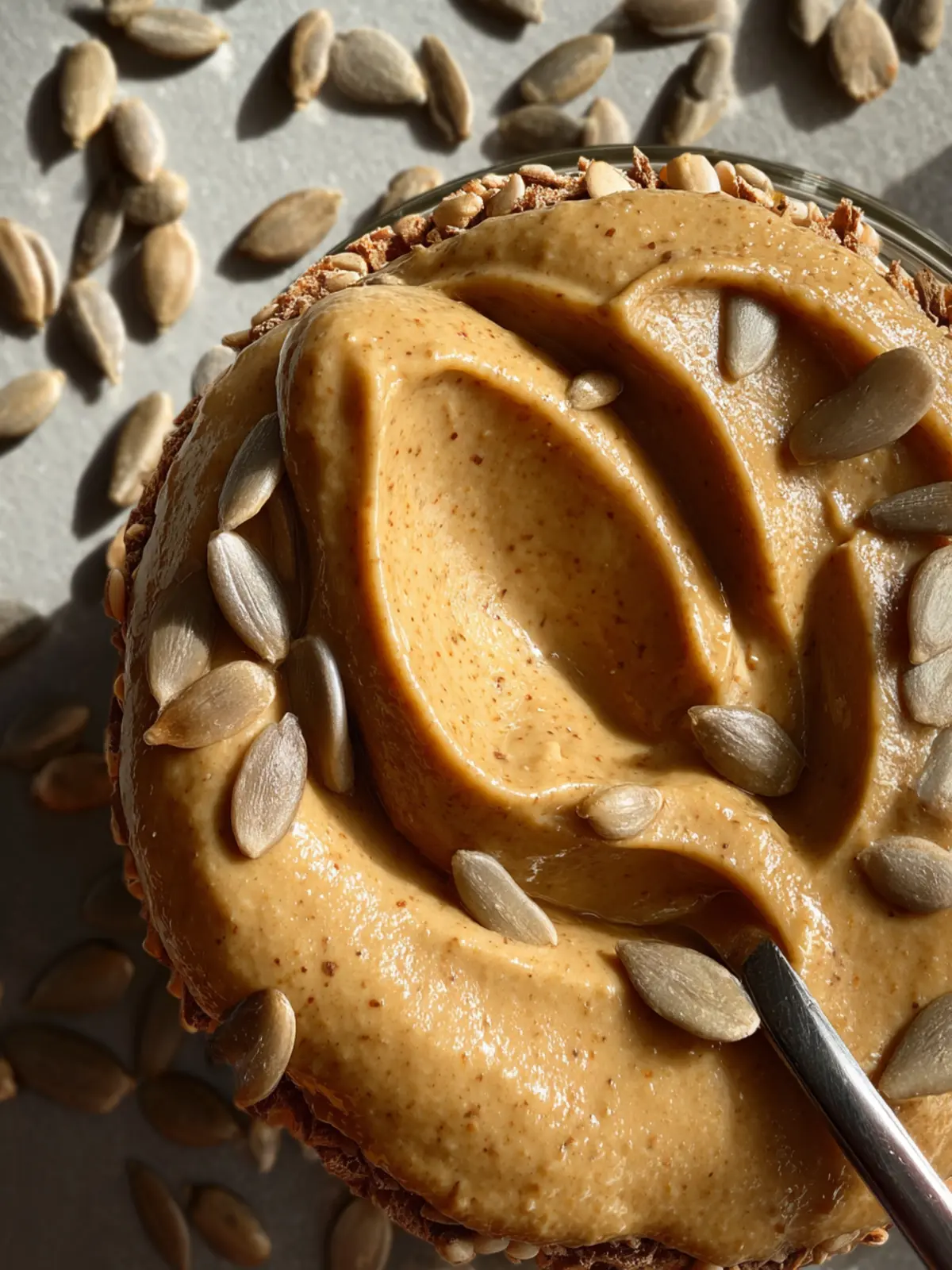
Sunflower Seed Butter Homemade: Easy, Creamy Joy Awaits

Introduction to Homemade Sunflower Seed Butter
Delving into the world of sunflower seed butter homemade brings not only delightful flavors to your palate but also a nourishing experience that store-bought alternatives simply can’t match. Picture this: it’s a lazy Sunday afternoon, and you’re craving something creamy and nutty to spread on your toast. Instead of reaching for that jar in the pantry, you decide to embark on an adventure of making your own sunflower seed butter. The kitchen fills with the warm, roasted scent of sunflower seeds, and with each pulse of the food processor, you see your creation come to life.
Why Homemade Sunflower Seed Butter Is Worth It
Crafting your own sunflower seed butter is a rewarding endeavor that offers numerous benefits:
-
Customization: When making sunflower seed butter at home, you have complete control over the sweetness and saltiness. You can start with a minimal amount of sweetener and adjust until it’s just right for your taste. Add cinnamon, vanilla, or even cocoa powder for a unique twist!
-
Quality Control: With homemade sunflower seed butter, you can ensure that your ingredients are pure and free from unnecessary additives and preservatives. You’re simply using high-quality sunflower seeds and a couple of optional ingredients.
-
Nutritional Benefits: Sunflower seeds are packed with essential nutrients, including vitamin E, magnesium, and healthy fats. By making your own butter, you’re maximizing these nutritional benefits without the additional sugars and unhealthy fats often found in store-bought varieties.
-
Cost-Effective: Buying sunflower seeds in bulk and turning them into butter can often be a more economical choice than purchasing prepared butters, especially if you’re a frequent consumer.
-
Sustainability: By choosing to make your own, you help reduce packaging waste associated with commercial products, making it a greener choice in your culinary creations.
With just a few simple ingredients and your trusty food processor, you’ll find that making sunflower seed butter at home is not only easy but also a fun way to unleash your culinary creativity. Let’s dive into the ingredients and steps needed to start this flavorful journey!
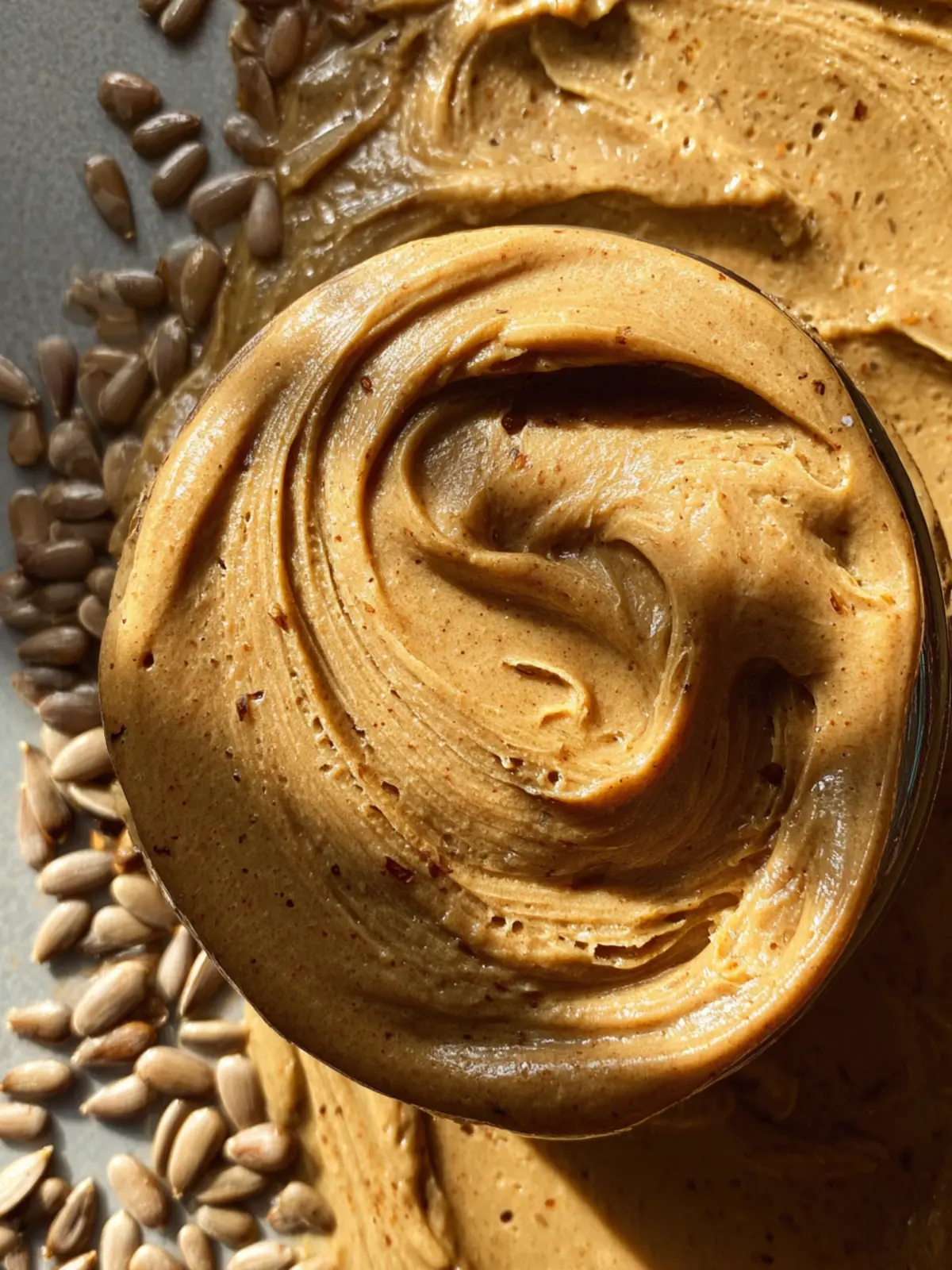
Key Ingredients for Homemade Sunflower Seed Butter
Creating your own sunflower seed butter homemade is an enjoyable journey, one that begins with the right ingredients. Each component plays a vital role in achieving that creamy texture and nutty flavor that will have you reaching for the jar again and again.
-
Sunflower Seeds: The star of the show, of course, is raw sunflower seeds. I prefer using unsalted seeds to really control the saltiness of my butter. These seeds are packed with nutrients, making them a wholesome alternative to nut butters.
-
Oil: A neutral-flavored oil, such as sunflower or canola oil, helps achieve that smooth consistency. It’s the secret to making your sunflower seed butter homemade creamy and spreadable.
-
Sweetener: A touch of honey or maple syrup can balance the earthy flavor of the sunflower seeds. Just a drizzle transforms the flavor profile without overwhelming it.
-
Salt: A pinch of salt enhances the overall taste. It’s an essential element, even if you’re using unsalted sunflower seeds.
With these key ingredients, you’ll create a delightful sunflower seed butter homemade that adds a nutritious twist to your snacks and meals!
Why You’ll Love This Recipe
Making your own sunflower seed butter homemade is not just a culinary adventure; it’s a delightful journey into the world of wholesome eating. Picture this: you walk into your kitchen, greeted by the comforting aroma of roasted sunflower seeds, and in just a few minutes, you’re ready to spread a creamy, nutty delight on your toast or blend it into your morning smoothie.
Crafting sunflower seed butter allows you to customize the texture and flavor precisely to your liking. Whether you prefer it smooth and spreadable or chunky with seed bits, you have the reins. Plus, homemade sunflower seed butter is a fantastic alternative for those with nut allergies, offering a nutritious punch packed with protein, healthy fats, and essential vitamins.
Imagine controlling every ingredient — no unnecessary additives or preservatives, just pure goodness from the seeds of the sunflower plant. Best of all, this recipe is budget-friendly. Store-bought nut and seed butters can be pricey, but making your own keeps your wallet happy without compromising on taste or nutrition.
So why not give it a try? You might just discover that the sunflower seed butter homemade is not only delicious but also an empowering addition to your pantry!
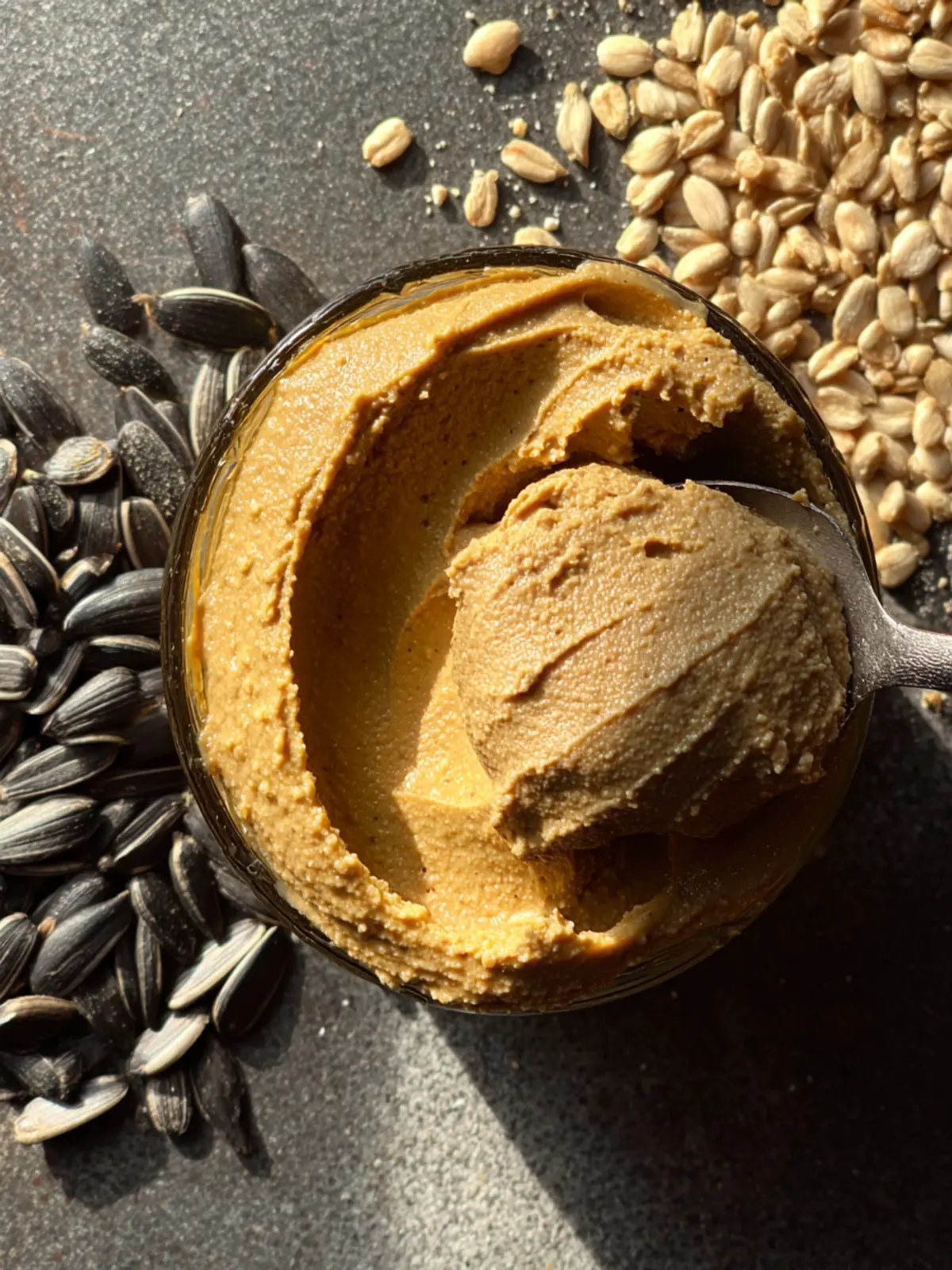
Variations of Sunflower Seed Butter
Creating sunflower seed butter homemade is just the beginning—once you master the basics, you can easily customize your spread to match your taste preferences or dietary needs. Here are some delightful variations to consider:
Sweet Sunflower Seed Butter
If you have a sweet tooth, a dash of honey or maple syrup can transform your sunflower seed butter into a decadent treat. Adding a teaspoon of vanilla extract also enhances its sweetness and aroma, making it a perfect topping for pancakes or toast.
Spicy Sunflower Seed Butter
For those who enjoy a kick, incorporate a pinch of cayenne pepper or a splash of sriracha. This spicy sunflower seed butter can elevate your favorite sandwiches or serve as a zesty dip for veggies, providing a unique flavor profile that’s sure to impress.
Chocolate Sunflower Seed Butter
Who says chocolate is just for dessert? Mixing in cocoa powder or melted dark chocolate can offer a delightful twist. This variation pairs beautifully with fruit or can be enjoyed straight off the spoon—perfect for a midday snack!
Nutty Sunflower Seed Butter
Want to add some crunch? Consider folding in crushed nuts or seeds like chia or flaxseed for extra texture and nutritional benefits. This delicious option not only adds flavor but also boosts protein and healthy fats.
These variations are just the start; the possibilities are nearly endless! Whether you prefer sweet, spicy, or nutty flavors, your sunflower seed butter homemade can be a canvas for your culinary creativity.
Cooking Tips and Notes for Homemade Sunflower Seed Butter
Creating your own sunflower seed butter homemade is not just a fun experiment; it’s a delightful way to explore flavors and textures while ensuring nothing goes to waste. If you’ve ever savored the creamy, rich taste of sunflower seed butter, you know there’s something special about making it right in your own kitchen.
Selecting Your Sunflower Seeds
Opt for unsalted, raw sunflower seeds for a cleaner taste. If you love a bit of roasted flavor, you can lightly toast them in a pan for a few minutes, but be careful not to burn them! The toasting process will bring out their natural oils, enhancing the overall taste of your butter.
Blending to the Perfect Consistency
The key to achieving that velvety consistency lies in your blender or food processor. Start blending slowly, and be patient. Initially, the seeds will resemble a flour-like texture. Keep scrapping down the sides until they turn into a paste. Remember, it might take a bit of time – around 5 to 10 minutes – but the result is totally worthwhile!
Balancing Flavor
While sunflower seed butter is delicious on its own, don’t hesitate to add your personal touch. A pinch of sea salt can elevate the flavors, while a drizzle of honey or maple syrup can introduce a hint of sweetness. For those who enjoy a bit of spice, a dash of cinnamon or vanilla extract makes a lovely addition.
Ultimately, the beauty of making sunflower seed butter homemade is finding the flavor profile that suits your palate while exploring your culinary creativity!
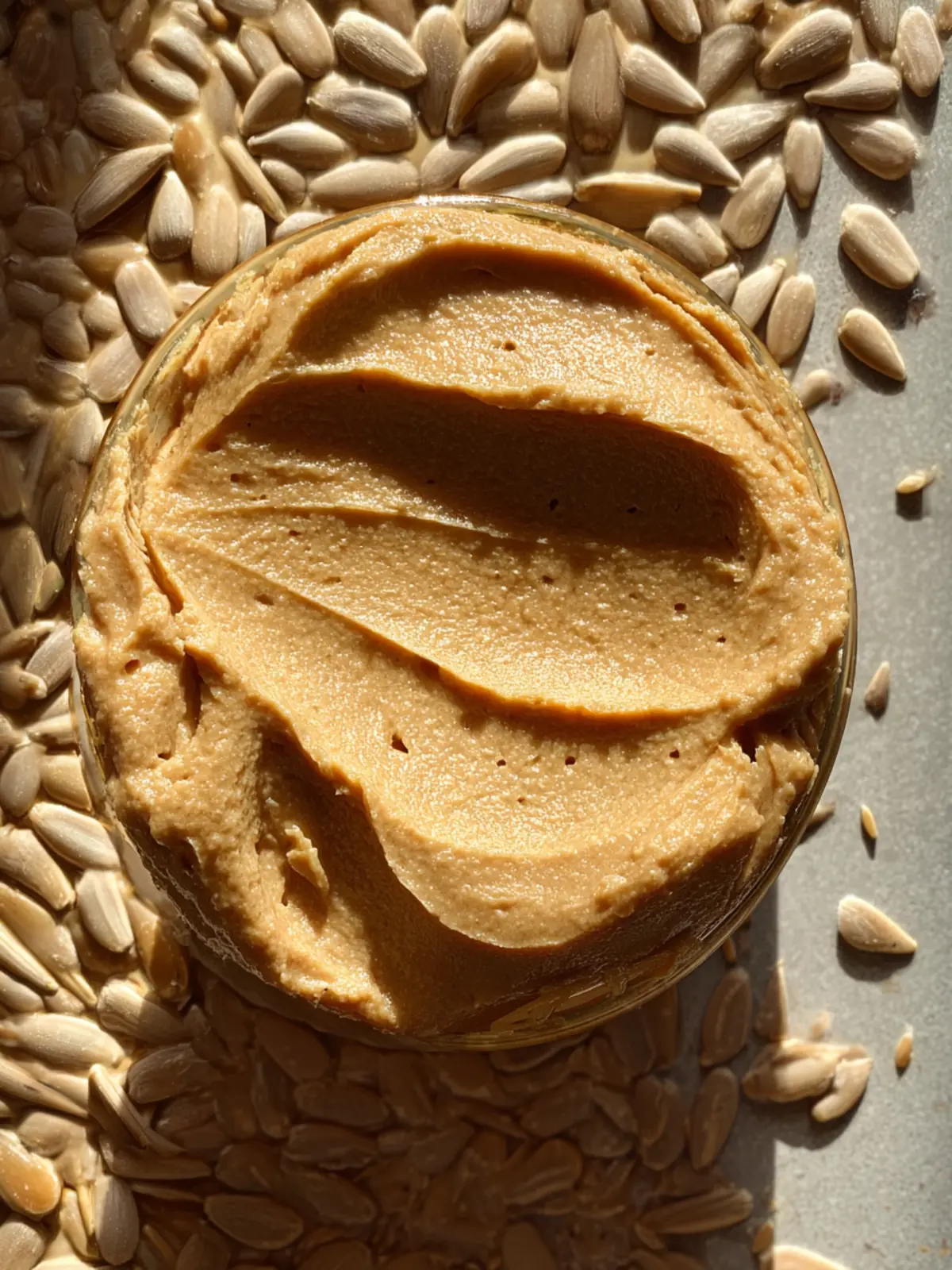
Serving Suggestions for Sunflower Seed Butter
When the kitchen transforms into your creative sanctuary, making sunflower seed butter homemade can unlock a world of culinary possibilities. Whether you’re a busy professional seeking quick protein options or a parent trying to add wholesome flavors to your child’s lunchbox, sunflower seed butter offers both deliciousness and nutrition. Here are some engaging ways to enjoy it:
-
Spread it on Toast: Start your day right by slathering sunflower seed butter on whole-grain toast. Add sliced bananas or strawberries for a sweet twist that not only tastes amazing but also fuels your morning.
-
Pair with Veggies: For a satisfying snack, dip fresh cut carrots, celery sticks, or cucumber slices into sunflower seed butter. This is a delightful combination that keeps hunger at bay while offering crunch.
-
In Smoothies: Blend sunflower seed butter homemade into your morning smoothie for a creamy texture and a protein boost. It pairs wonderfully with bananas, spinach, and almond milk.
-
In Baking: Use it as a substitute for traditional nut butters in cookies or brownies. It brings a unique, nutty flavor while keeping your baked goods moist and delicious.
Embrace the versatility of this creamy delight and transform your meals into wholesome treats.
Time Breakdown for Making Homemade Sunflower Seed Butter
Creating your own sunflower seed butter homemade is truly an investment in both time and flavor. Here’s a practical breakdown of what to expect during your delightful culinary adventure.
Preparation Time
You’ll need about 5 minutes to gather your ingredients and prepare your workspace. This is the perfect time to enjoy a moment of mindfulness!
Baking Time
Roasting your sunflower seeds takes around 15 minutes. This step is crucial for enhancing the rich, nutty flavor of the seeds, so don’t rush it.
Blending Time
Once roasted, blending the seeds into a creamy butter typically takes about 10 minutes. The key is to blend patiently and scrape down the sides of your food processor as needed.
Total Time
In total, you’re looking at roughly 30 minutes from start to finish. In no time, you’ll have delicious, homemade sunflower seed butter ready to be enjoyed!
Nutritional Facts for Homemade Sunflower Seed Butter
Creating your own sunflower seed butter homemade not only tantalizes your taste buds but also ensures you’re in control of the nutritional content. Let’s delve into the fantastic benefits bundled up in each serving of this creamy delight!
Calories
With just 90-100 calories per tablespoon, homemade sunflower seed butter is an easy way to enjoy a nutritious spread without piling on excessive calories. It’s perfect for the mid-afternoon pick-me-up!
Protein
Each serving is a powerhouse, packed with about 3-4 grams of protein. This makes it a great option for those looking to maintain muscle mass or simply stay satiated throughout the day.
Healthy Fats
Rich in unsaturated fats, homemade sunflower seed butter contains around 7-8 grams of fat per tablespoon. These healthy fats are essential for heart health and can help keep you full longer.
Incorporating this nutritious spread into your meals can enhance not only your health but also your culinary creations!
FAQs about Homemade Sunflower Seed Butter
Creating your own sunflower seed butter homemade is an exciting journey filled with flavor and health benefits, but it’s also natural to have some questions along the way. Let’s dive into some common inquiries to help you make the most of this delightful spread!
How long does homemade sunflower seed butter last?
Once you’ve whipped up your sunflower seed butter homemade, you can expect it to last about 1 to 2 weeks when stored in an airtight container in the refrigerator. For longer storage, consider freezing it—just make sure to leave some space in the container as it may expand!
Can I make it creamier or thicker?
Absolutely! If you’re aiming for a creamier consistency, simply add a bit more oil, like coconut or avocado oil, while blending. For a thicker texture, you can reduce the blending time and let the nut butter sit for a bit to thicken naturally. The beauty of homemade butter is that you can adjust it to your personal preference!
What can I use sunflower seed butter for?
The possibilities are endless! Use your sunflower seed butter homemade as a spread on toast, an ingredient in smoothies, or as a dip for fruits and veggies. It also works great in baked goods, as a substitute for peanut butter in recipes, or even drizzled over pancakes for a nutty twist.
Is sunflower seed butter suitable for allergies?
Sunflower seed butter is a great alternative for those with nut allergies, making it a safe option for schools and other environments with strict allergy policies. It’s packed with protein and healthy fats, making it a nutritious choice for anyone!
Feel free to try out your sunflower seed butter homemade with these tips in mind, and enjoy the delicious benefits of your creation!
Conclusion on Homemade Sunflower Seed Butter
Creating your own sunflower seed butter homemade not only allows you to control the ingredients but also offers a delightful culinary experience that’s satisfying and fun. The rich, nutty flavor of sunflower seeds shines through, making a perfect spread for toast or a creamy addition to smoothies.
Don’t shy away from experimenting with this versatile butter; add spices, sweeteners, or even cacao to make it uniquely yours. Plus, knowing it’s made with wholesome ingredients can lift the enjoyment of every bite. So, gather your ingredients and embark on your sunflower seed butter journey—your taste buds will thank you!
Print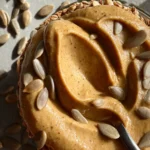
Sunflower Seed Butter
- Total Time: 25 minutes
- Yield: 1 jar 1x
- Diet: Vegan
Description
A creamy sunflower seed butter made from roasted sunflower seeds.
Ingredients
Scale
- 3 cups raw sunflower seeds
- 1/2 tsp pink Himalayan salt
Instructions
- Preheat your oven to 350 degrees F.
- Spread the sunflower seeds on a baking sheet and bake at 350 degrees for 10 minutes.
- Remove the seeds from the oven and mix them using a spatula, then place them back in the oven and bake another 5-10 minutes. They should have a golden brown color when done.
- Remove the seeds from the oven and let them cool to room temperature on the baking sheet.
- Put the roasted sunflower seeds and salt in a food processor and blend, stopping to scrape down the sides a few times. It will take about 10-15 minutes before the sunflower seeds will reach the right consistency. Have patience and just keep blending!
- Once smooth and creamy, pour the sunflower seed butter in a glass jar and store in the pantry or fridge.
Notes
- This sunflower seed butter can be stored in the pantry or the fridge.
- Adjust the salt to your taste preferences.
- Prep Time: 5 minutes
- Cook Time: 20 minutes
- Category: Condiments
- Method: Baking and Blending
- Cuisine: American
Nutrition
- Serving Size: 2 tablespoons
- Calories: 200
- Sugar: 1g
- Sodium: 120mg
- Fat: 18g
- Saturated Fat: 2g
- Unsaturated Fat: 16g
- Trans Fat: 0g
- Carbohydrates: 8g
- Fiber: 3g
- Protein: 6g
- Cholesterol: 0mg