Follow Me On Social Media!


How to Make Beef Tallow: The Best Homemade Cooking Fat

Introduction to How to Make Beef Tallow From Fat
Have you ever wondered how to make beef tallow and embrace traditional cooking methods that date back centuries? Imagine transforming the fat from a hearty cut of beef into a luscious cooking fat that elevates your dishes with flavor and richness. Beef tallow is not just a versatile ingredient; it’s a connection to culinary history, and learning how to render it can bring a new level of satisfaction to your cooking.
What is Beef Tallow and Why Should You Make It?
Beef tallow is rendered fat obtained from cattle, primarily from the kidney area and other parts of the animal. This golden, flavorful fat has been cherished in cooking for its high smoke point and deep, savory taste. Making beef tallow at home not only allows you to control the quality and source of your fat but also minimizes waste by using every part of the animal—something that is becoming increasingly important in our modern, sustainable cooking practices.
So, why should you embrace this age-old technique? Here are a few compelling reasons:
- Flavor Enhancer: Tallow imparts a rich umami flavor to recipes, especially when frying or roasting vegetables, making it a unique substitute for oils and butter.
- High Smoke Point: With a smoke point around 400°F (204°C), beef tallow is perfect for high-heat cooking methods like frying, giving your food a crispy texture without the risk of burning.
- Nutrient-Dense: Rich in vitamins and healthy fats, tallow can be a nutritious addition to your diet when used in moderation.
- Sustainable Practice: Rendering your own beef tallow is a sustainable practice that contributes to the nose-to-tail philosophy of cooking, ensuring all parts of the animal are respected and utilized.
As you embark on this journey of learning how to make beef tallow, prepare yourself for a rewarding process that not only adds depth to your kitchen creations but also supports a more ethical and responsible approach to food. From dazzling French fries to savory stews, beef tallow opens the door to a world of culinary possibilities waiting to be explored.
Key Ingredients for How to Make Beef Tallow From Fat
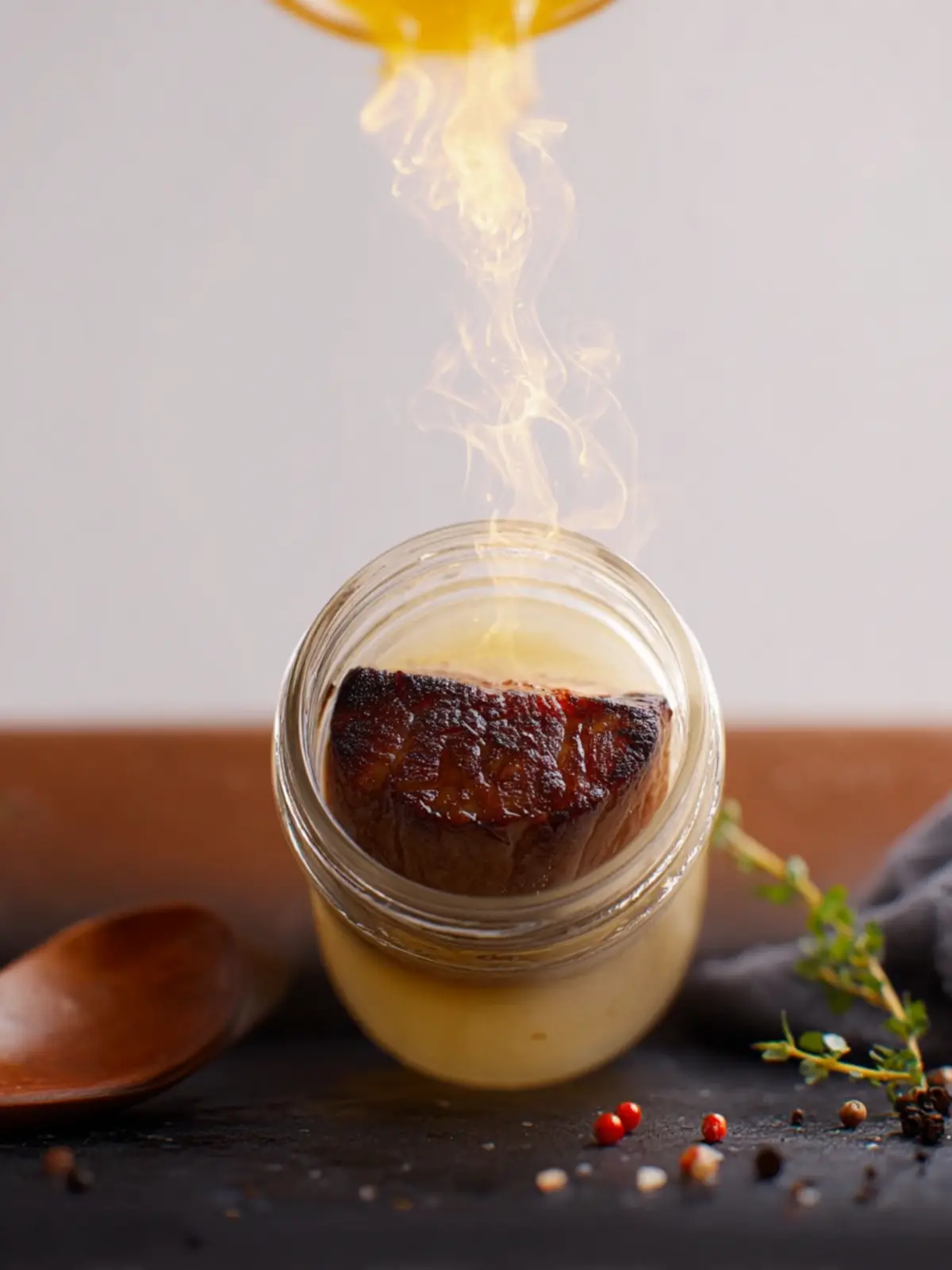
Beef tallow, a versatile cooking fat with a rich history, is a culinary wonder that transforms the way you approach flavor in your dishes. The first step in your journey is sourcing the right fat.
-
Beef Fat: Using high-quality beef fat is essential for making beef tallow. Look for beef suet or fat trimmings from grass-fed cows for the best flavor and health benefits. The melty, rich taste of grass-fed makes a superior tallow compared to grain-fed, enhancing your recipes.
-
Water: This simple ingredient plays a crucial role in the rendering process. Adding a bit of water helps prevent the fat from burning and creates a gentler cooking environment, ensuring your tallow becomes perfectly golden without bitterness.
-
Salt: While optional, a pinch of salt can enhance the flavor of your finished tallow, giving it an even richer taste and making it more suitable for savory dishes.
These key ingredients create the perfect base for how to make beef tallow. With just a few quality components, you’ll unlock a world of culinary possibilities, enriching everything you cook!
Why You’ll Love This Recipe
Learning how to make beef tallow is like uncovering a secret treasure that elevates your culinary skills. This versatile fat not only enhances flavors but also brings a touch of nostalgia to cooking, reminiscent of your grandmother’s home-cooked meals. You’ll discover a new appreciation for the cuts of beef that often go to waste, transforming them into gold for your kitchen.
Here’s what makes this recipe so special:
-
Health Benefits: Beef tallow is rich in vitamin A, D, E, and K, promoting a healthier lifestyle. Unlike many oils, tallow is stable at high temperatures, making it an excellent choice for frying and roasting.
-
Versatility: Whether you’re searing steaks, frying potatoes, or baking, tallow enhances the flavor of dishes while offering a unique texture that can’t be matched by many oils.
-
Eco-Friendly: Making tallow from leftover fat is not just budget-friendly; it’s also an environmentally conscious choice. You’ll be minimizing food waste while providing yourself with an exceptional cooking fat.
-
Culinary Creativity: With your homemade beef tallow, you can experiment with new recipes. Imagine flaky pastries or perfectly crisp roasted veggies all imbued with rich, meaty flavor.
Get ready to impress your friends and family with this delicious, homemade fat!
Variations on Making Beef Tallow
Creating beef tallow can be a delightful journey where you explore different methods and flavors to make it uniquely yours. While the traditional approach yields a rich, savory fat perfect for enhancing dishes, a few variations can elevate your culinary experience.
Different Cooking Methods
- Slow Cooking: Embrace a slow cooker for a low-and-slow transformation of beef fat into tallow. This method prevents overheating and allows you to achieve a smoother texture while locking in flavors.
- Stovetop: For quicker results, rendering fat on the stovetop works beautifully. Just be sure to monitor the temperature closely to avoid burning, which can impart a bitter taste.
Infusing Flavors
- Herbs and Seasonings: Adding herbs like rosemary or thyme during the rendering process can impart delightful aromas to your tallow. These subtle flavors can enhance roasted vegetables or meat dishes.
- Garlic or Onion: Cook a few cloves of garlic or some onion alongside the fat. Strain them out later for a more aromatic tallow that’ll also serve as a flavorful base for future meals.
Raw Ingredients
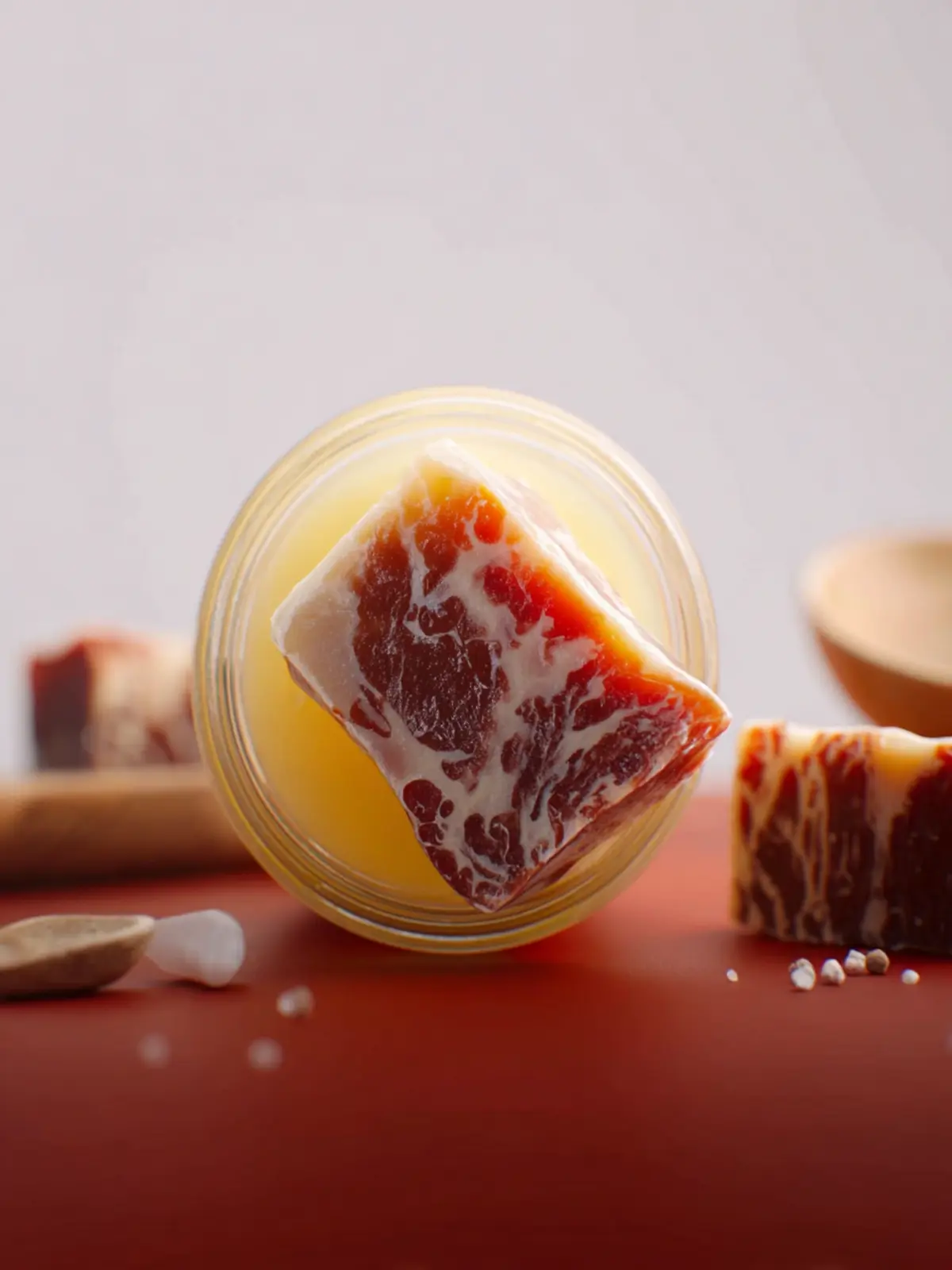
- Types of Beef Fat: Experiment with different cuts such as suet, trimmings from ribeyes, or briskets. Each offers a varying flavor profile and texture, allowing you to tailor the tallow to your cooking needs.
With these variations on how to make beef tallow, not only will you end up with a cherished cooking staple, but you might also discover new culinary horizons. Enjoy the process and make it your own!
Cooking Tips and Notes for Beef Tallow
Creating your own beef tallow can be a rewarding culinary adventure, bringing incredible flavor and versatility to your kitchen. Whether you’re a seasoned chef or a curious beginner, there are some tips that will enhance your experience.
Selecting the Right Fat
For perfect beef tallow, the quality of the fat matters. Look for fat trimmings from grass-fed beef if possible. It not only enhances the flavor but also enriches the nutritional profile. Ask your butcher for suet, the hard fat around the kidneys, which is ideal for rendering.
Low and Slow is Key
When learning how to make beef tallow, patience is vital. Rendering fat at a low temperature allows it to melt evenly without burning. Use a heavy-bottomed pot or a slow cooker, and keep the heat low. It can take several hours, but trust that the outcome will be well worth the wait.
Skim and Strain
As the fat melts, it’s essential to skim off any impurities that rise to the surface. Using a fine mesh strainer or cheesecloth will ensure that your tallow is pure and clean. This step contributes to a smoother texture and a longer shelf life.
Storage Tips
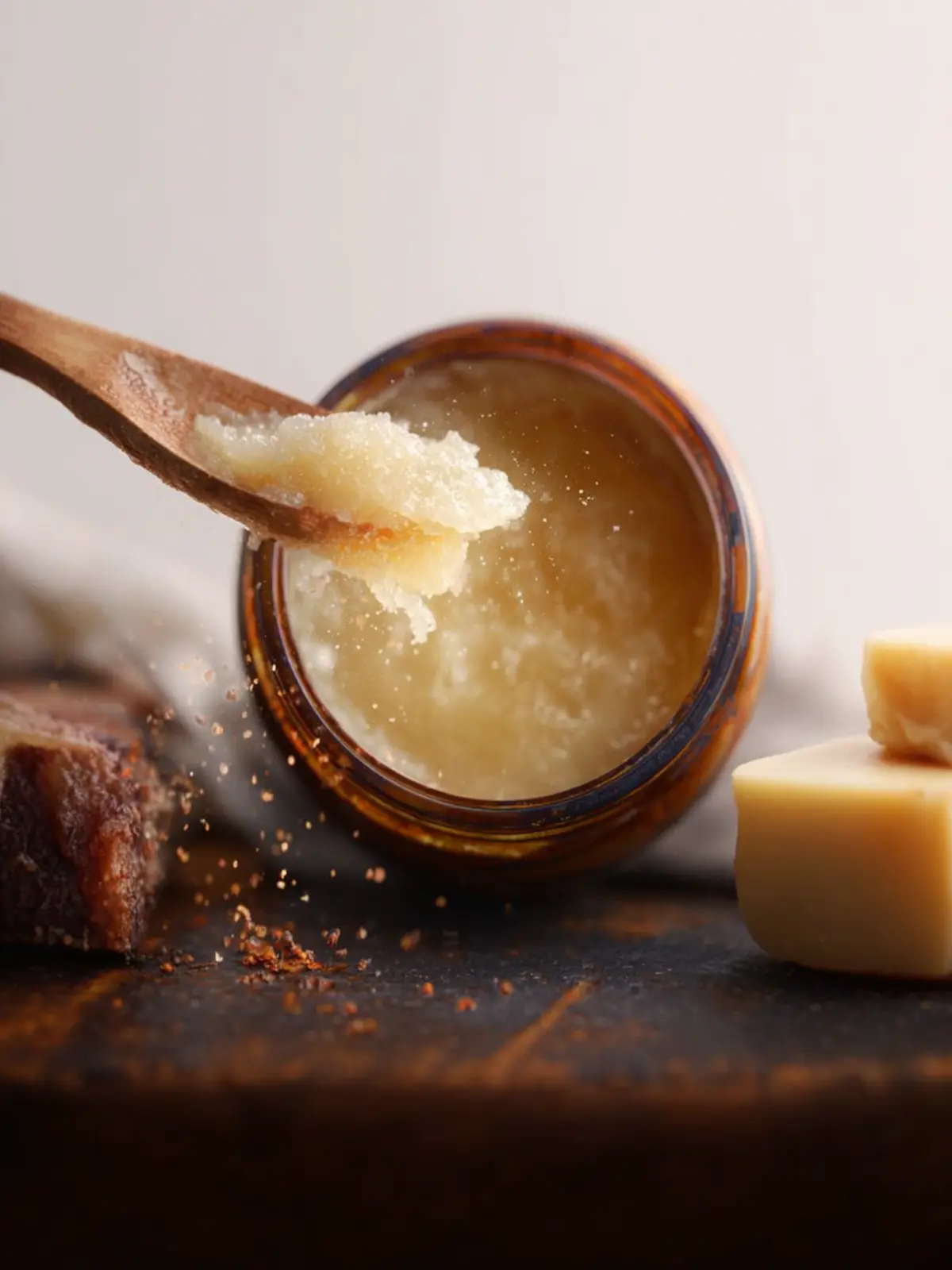
To store your homemade beef tallow, let it cool completely before transferring it into a glass jar. Keep it in the refrigerator for up to a few months, or freeze it for even longer preservation. When you’re ready to use it, just scoop out what you need—no need to thaw the entire batch!
With these tips in hand, you’ll create tallow that’s deliciously rich and perfect for frying, baking, or seasoning your favorite dishes. Enjoy your culinary journey!
Serving Suggestions with Beef Tallow
When you learn how to make beef tallow, a culinary journey begins, and it opens up a world of delicious possibilities. This versatile cooking fat, rich in flavor and texture, can elevate your everyday meals in surprising ways. Here’s how to savor your homemade tallow.
Cooking and Baking
-
Frying: Beef tallow has a high smoke point, making it perfect for frying. Whether you’re making crispy potato wedges or delicate tempura, a tallow-based fry creates a beautifully crispy exterior without the greasiness associated with some oils.
-
Baking: You can also substitute beef tallow for shortening or butter in your baking. It not only adds a rich flavor to pastries but enhances flakiness in pie crusts.
Savory Dishes
-
Sautéing Vegetables: Use tallow to sauté your favorite vegetables. It imparts a subtly meaty flavor that complements seasonal veggies beautifully, enhancing their natural sweetness.
-
Roasting Meats: Consider using tallow as a basting fat for your roasts. It ensures the meat remains moist while adding a depth of flavor that’s hard to beat.
Spreading and Dipping
-
Spread on Bread: For a unique twist, spread soft beef tallow on your toast, similar to butter, especially when topped with a sprinkle of sea salt or fresh herbs.
-
Dipping Sauce: Melt tallow and mix with herbs and spices to create a flavorful dip for roasted vegetables or breadsticks.
These ideas will not only make your meals richer but encourage you to experiment with an ancient ingredient that is making a trendy comeback. So go ahead and explore; the culinary world is your oyster!
Time Breakdown for Making Beef Tallow
Creating your own beef tallow is not just rewarding; it’s a beautiful process that transforms simple fat into a versatile kitchen staple. Understanding the time investment helps streamline your cooking adventure.
Preparation Time
Begin by trimming the beef fat into small chunks, which can take about 10-15 minutes. The smaller the pieces, the easier they render, so take your time here!
Cooking Time
Rendering the fat can take anywhere from 2 to 4 hours depending on your method. If you use the stovetop, keep it low and slow; the oven method may take a bit longer but requires less supervision.
Cooling and Setting Time
After cooking, allow your tallow to cool for about 30 minutes before pouring it into jars. It will need another 1-2 hours to set completely at room temperature.
Total Time
In total, you’re looking at roughly 3 to 6 hours for the entire process, including setup, cooking, and cooling. While it may seem like a long afternoon, the satisfaction of homemade tallow is truly worth it!
Nutritional Facts for Beef Tallow
When you embark on the journey of how to make beef tallow, you’re not just creating a versatile cooking fat; you’re also harnessing a variety of nutritional benefits that contribute to a balanced diet. Understanding these nutritional facts can help you appreciate this rich ingredient even more.
Calories
One tablespoon of beef tallow contains about 115 calories. This makes it a dense fat source, ideal for adding flavor and richness to your meals.
Fat
Beef tallow is primarily composed of fat, with around 13 grams per tablespoon and essentially no carbohydrates or protein. It’s predominantly saturated fat, which is known for its ability to withstand high cooking temperatures, making it perfect for frying and roasting.
Other Nutritional Values
In addition to its fat content, beef tallow provides small amounts of vitamins A, D, E, and K, which are essential for various bodily functions, including immune support and bone health. This makes incorporating how to make beef tallow into your cooking not just tasty but also nourishing.
FAQs about How to Make Beef Tallow From Fat
Making beef tallow from fat can seem daunting at first, but it transforms cooking and opens up a world of flavor. This fat is incredibly versatile, and you might end up with more questions than answers as you embark on this culinary adventure. Below are some frequently asked questions to guide you on your journey.
Can I use other types of fat?
While this guide focuses on beef tallow from fat, you can certainly experiment with other animal fats like pork fat (lard) or duck fat. These fats have unique flavors that can enhance different dishes. Just remember that the method remains largely similar, but the nuances in taste and aroma will differ.
How long can I store beef tallow?
Storing beef tallow properly can significantly extend its shelf life. When kept in an airtight container in the refrigerator, homemade tallow can last for about three months. If you freeze it, you can enjoy it for up to a year. Be sure to label your containers with the date, so you never lose track of your delicious creations!
What are the uses for beef tallow in cooking?
The possibilities are endless with beef tallow! Here are some popular uses:
- Cooking Oil: Great for frying and sautéing, it brings a rich flavor to your dishes.
- Baking: Try using it in pie crusts for exceptional flakiness.
- Seasoning: Use tallow for greasing pans or enhancing the flavor of roasted vegetables.
- Condiments: Blend it with herbs and spices for a flavorful spread.
Experimenting with beef tallow can add depth and richness to a wide range of recipes!
Conclusion on How to Make Beef Tallow From Fat
Making beef tallow from fat is a rewarding process that allows you to create a versatile cooking fat with great flavor. Not only can it enhance your dishes, but you’re also making good use of leftover beef fat, reducing waste in the kitchen.
Consider storing your freshly made tallow in an airtight container in your fridge for a few weeks or even in the freezer for longer shelf life. As you experiment with cooking, you’ll find that using tallow can add a unique richness to everything from sautéing vegetables to frying meats. So, roll up your sleeves and savor the satisfaction of mastering this age-old technique!
Print
Rendered Beef Fat
- Total Time: 3 hours 15 minutes
- Yield: Approx. 1.5 quarts of rendered fat
- Diet: Paleo, Keto
Description
This recipe guides you through the process of rendering fresh beef fat into a usable cooking fat.
Ingredients
Scale
- 2 pounds fresh beef fat
Instructions
- Preheat the oven to 250 degrees Fahrenheit.
- Be sure to cut your fat into large chunks. There’s no magic size, just as long as it’s not in one big piece.
- Place the fat chunks into an 8×8 baking dish.
- Cook for 3 hours.
- Remove from the oven. Be careful to not burn yourself.
- Pour the liquid from the pan, through a fine strainer, into a pourable measuring cup or bowl.
- Immediately pour the liquid from the bowl/measuring cup into jars and secure the lids.
- Let the fat come to room temperature. Tighten the lids one more time and then place the fat in the refrigerator for 48 hours or until set.
Notes
- Ensure that the fat is cut into manageable sizes for even rendering.
- You can store the rendered fat in sealed jars in the refrigerator for several months.
- Prep Time: 15 minutes
- Cook Time: 3 hours
- Category: Condiments
- Method: Oven
- Cuisine: American
Nutrition
- Serving Size: 1 tablespoon
- Calories: 120
- Sugar: 0
- Sodium: 0
- Fat: 14
- Saturated Fat: 6
- Unsaturated Fat: 8
- Trans Fat: 0
- Carbohydrates: 0
- Fiber: 0
- Protein: 0
- Cholesterol: 0