Follow Me On Social Media!

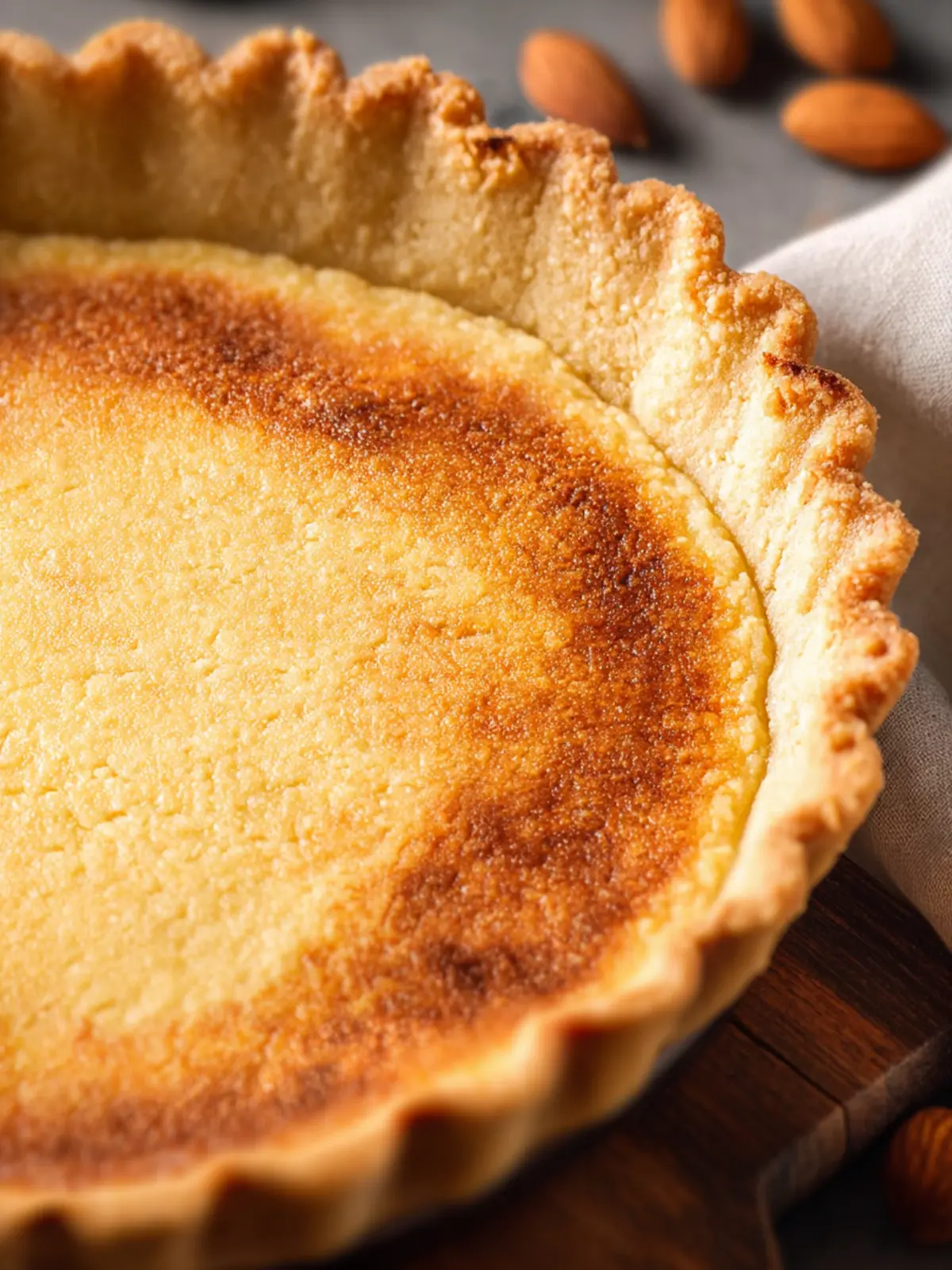
Almond Flour Pie Crust: Easy & Irresistibly Delicious Delight

Introduction to Almond Flour Pie Crust
Imagine gathering with friends around a delightful, homemade dessert, where the star of the show is a flaky, mouthwatering almond flour pie crust that adds a new twist to your favorite pies. This gluten-free alternative not only caters to dietary preferences but also boasts a unique nutty flavor that elevates your baking adventures. Whether you’re whipping up a classic apple pie or an elegant lemon tart, the versatility of almond flour makes it an essential staple in your kitchen.
Incorporating almond flour into your pie crust offers some incredible benefits. Not only does it provide a deliciously distinct taste, but it also enhances the texture, creating a crust that is both tender and crisp. Plus, it’s loaded with nutrients, making it a healthier choice compared to traditional wheat flour. With more people embracing gluten-free living, an almond flour pie crust allows everyone to indulge without sacrificing flavor or satisfaction.
What Makes Almond Flour Pie Crust the Perfect Choice?
-
Flavor Profile: The subtle nuttiness of almond flour brings a new richness to your pie. This unique taste pairs exceptionally well with sweet and savory fillings alike, making it a fantastic all-around option.
-
Texture: Say goodbye to dry, crumbly crusts! An almond flour pie crust maintains its integrity—delivering a crunchy yet tender bite that will leave your guests smiling. The added fat from almonds contributes to a flaky texture that feels indulgent.
-
Nutritional Benefits: Almond flour is high in protein, fiber, and healthy fats while remaining low in carbohydrates. This not only makes your dessert feel more substantial but also more nourishing, perfect for those conscious about their dietary choices.
-
Ease of Preparation: Much like traditional pie crust recipes, creating a delicious almond flour pie crust is straightforward and accessible. It requires just a few simple ingredients, and most importantly, minimal time in the kitchen.
As you embark on your pie-making journey, understanding the benefits of an almond flour pie crust can change how you create and enjoy desserts. It’s time to embrace a delicious and healthier way to bake!
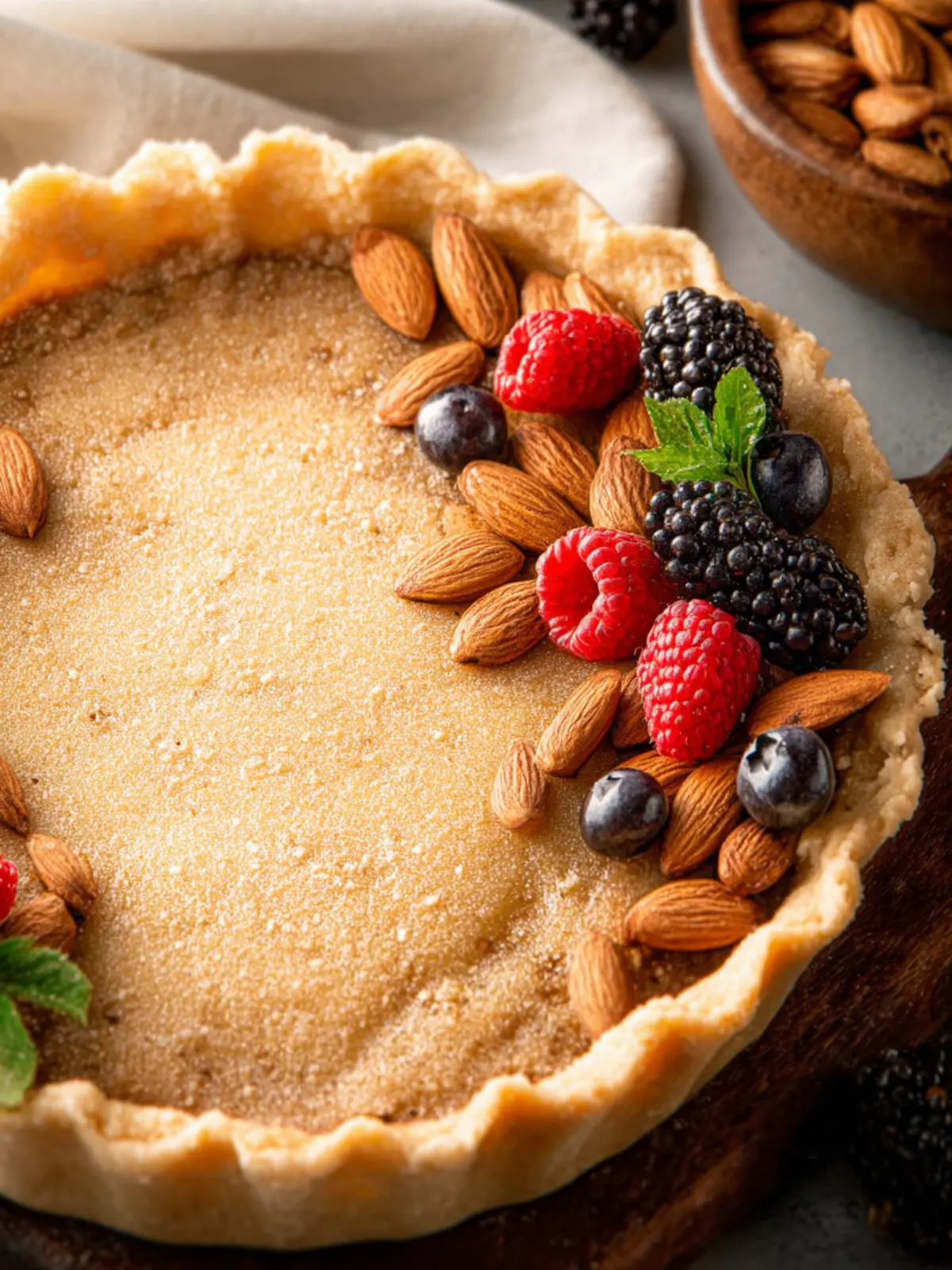
Key Ingredients for Almond Flour Pie Crust
Creating a delightful almond flour pie crust can transform any dessert into a decadent treat. Every ingredient plays its part in crafting that perfect flaky texture and rich flavor.
-
Almond Flour: Using blanched almond flour gives this crust a smooth and fine texture that holds together beautifully. It also provides a slightly nutty flavor that compliments both sweet and savory fillings.
-
Butter: I prefer unsalted butter for this crust. The butter not only adds richness but creates that classic flaky texture we all crave. Let it cool slightly before mixing to ensure a smooth incorporation.
-
Egg: Including an egg in your almond flour pie crust helps bind everything together. It also contributes to the structure and improves the overall texture.
-
Sweetener: While traditional pie crusts often use sugar, I like to use a natural sweetener like coconut sugar or honey for a more wholesome touch. This adds a hint of sweetness without overpowering the other ingredients.
-
Salt: A pinch of salt enhances the flavors and balances the sweetness, ensuring your crust tastes vibrant.
By choosing high-quality ingredients, you set the stage for a crust that’s both satisfying and versatile, ready to be filled with your favorite pie fillings!
Why You’ll Love This Almond Flour Pie Crust
Creating an almond flour pie crust feels like unearthing a secret treasure in the kitchen, especially if you’re on the lookout for a gluten-free base that doesn’t skimp on flavor. This versatile pie crust offers the perfect combination of nuttiness and flakiness, transforming your dessert into a bite of bliss.
Delightfully Nutty Flavor
What sets this almond flour pie crust apart is its unique flavor. The earthy, nutty taste of almond flour enriches any pie, whether it’s a luscious fruit tart or a decadent chocolate cream. Think about it: a slice of pie with that subtle hint of almonds? Pure heaven.
Easy to Prepare
You might think that crafting a pie crust is a labor-intensive process, but this recipe is refreshingly simple. With minimal ingredients and straightforward steps, you’ll find yourself whipping it up in no time. It’s an excellent way to impress guests at your next gathering or just satisfy a late-night craving.
Perfect Texture
This almond flour pie crust achieves that delightful balance between tender and crisp. It holds up beautifully under a variety of fillings, making it a reliable choice for any pie you want to create. Say goodbye to soggy crusts—this one will win hearts and palates every time!
Ultimately, you’ll discover that this almond flour pie crust isn’t just a gluten-free alternative; it’s a deliciously delightful option perfect for every occasion!
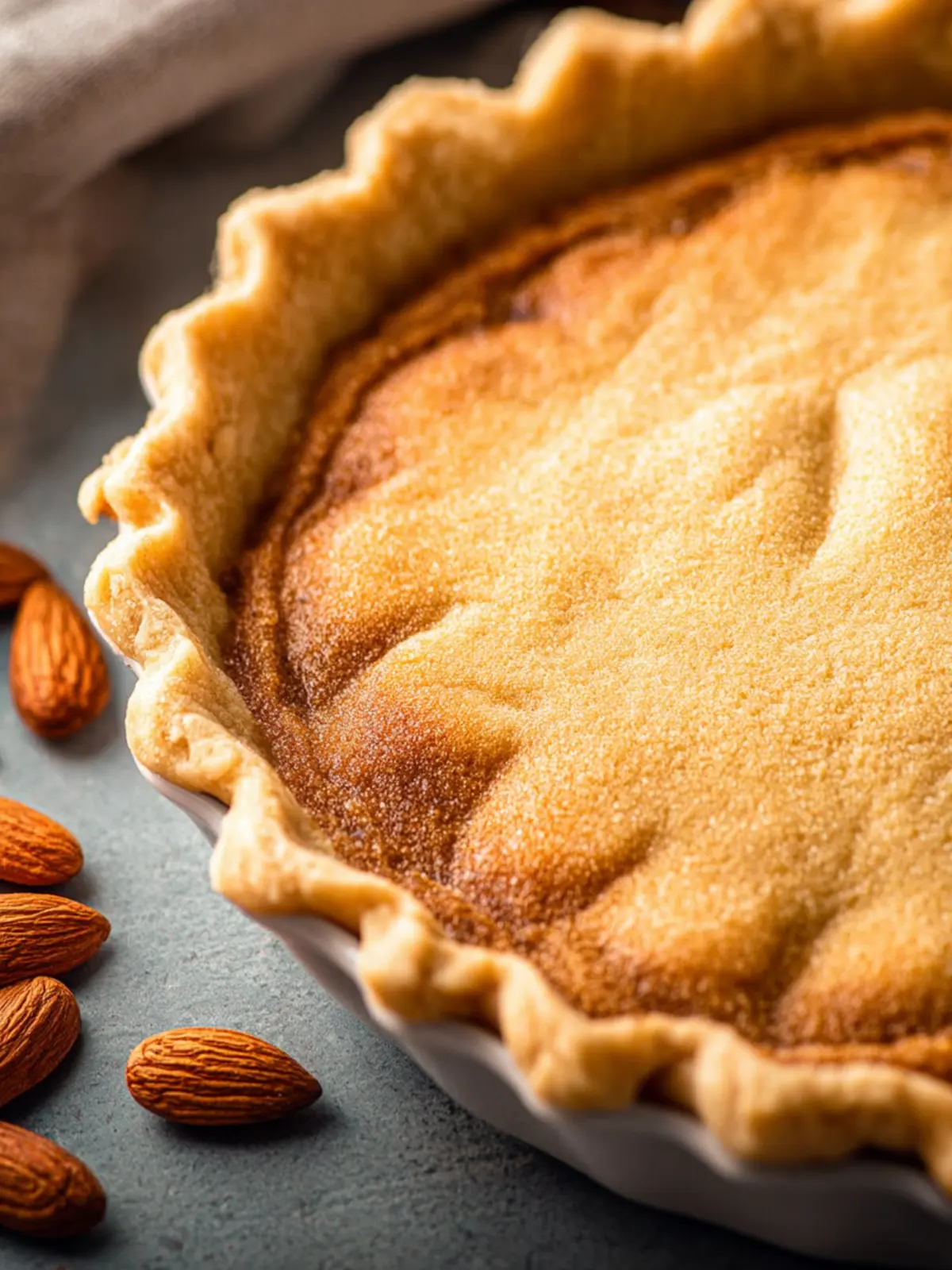
Variations of Almond Flour Pie Crust
Creating an almond flour pie crust opens the door to a world of delicious possibilities. This gluten-free crust not only holds up beautifully under a variety of fillings but also lends itself wonderfully to some creative twists. Whether you prefer something sweet or savory, experimenting with variations can lead to exciting new flavors.
Sweet Almond Flour Pie Crust
For those with a sweet tooth, adding a hint of sweetness can elevate your almond flour pie crust to dessert status. Consider mixing in:
- Coconut Sugar: This adds a subtle caramel note that pairs perfectly with fruit fillings.
- Ground Cinnamon: A sprinkle of this spice can infuse warmth and depth, making your crust reminiscent of classic holiday desserts.
Savory Almond Flour Pie Crust
On the savory side, think about making adjustments that will complement quiches and meat pies. For instance:
- Herbs: Incorporate dried herbs like thyme or rosemary to enhance the flavor profile for savory dishes.
- Parmesan Cheese: Mixing in some grated cheese can add a delightful umami flavor, turning your crust into a crispy, cheesy delight.
Additional Ingredient Tweaks
You can also play with the fat used in the crust:
- Butter vs. Coconut Oil: Swap butter for coconut oil for a dairy-free option that also lends a unique flavor.
- Nut Butters: A small amount of almond or cashew butter can create a richer taste and texture.
Embrace the versatility of your almond flour pie crust and tailor it to your taste preferences! Each variation can create a memorable eating experience that’s sure to impress.
Cooking Tips and Notes
Creating the perfect almond flour pie crust can feel like an art form, especially when you want it to be both delicious and gluten-free. Here are some helpful tips to ensure your pie crust turns out beautifully every time.
Selecting the Right Almond Flour
- Texture Matters: I recommend using finely ground almond flour for a smooth crust. Coarser almond meal can lead to a gritty texture that might not hold together as well.
- Storage: Always keep your almond flour in the refrigerator or freezer to prolong freshness. It can go rancid if left in the pantry for too long.
Achieving the Perfect Consistency
- Watch Your Fat Ratio: The balance between butter (or coconut oil) and almond flour is crucial for that flaky texture. If your dough feels too crumbly, add a tablespoon of cold water at a time until it holds together without being sticky.
- Chill is Key: After mixing your dough, let it chill in the refrigerator for at least 30 minutes. This helps it firm up, making it easier to roll out.
Baking Tips for Your Crust
- Pre-bake for Extra Crispiness: If you’re making a pie that requires a custard filling, pre-baking the crust for about 10-15 minutes can help avoid a soggy bottom.
- Add Weight When Blind Baking: Use pie weights or dried beans when blind baking to keep the crust from puffing up. This trick ensures it bakes evenly and maintains its shape.
Keep these tips in mind as you embark on your journey to create a delightful almond flour pie crust. Each step is a chance to hone your skills and enjoy the delicious results!
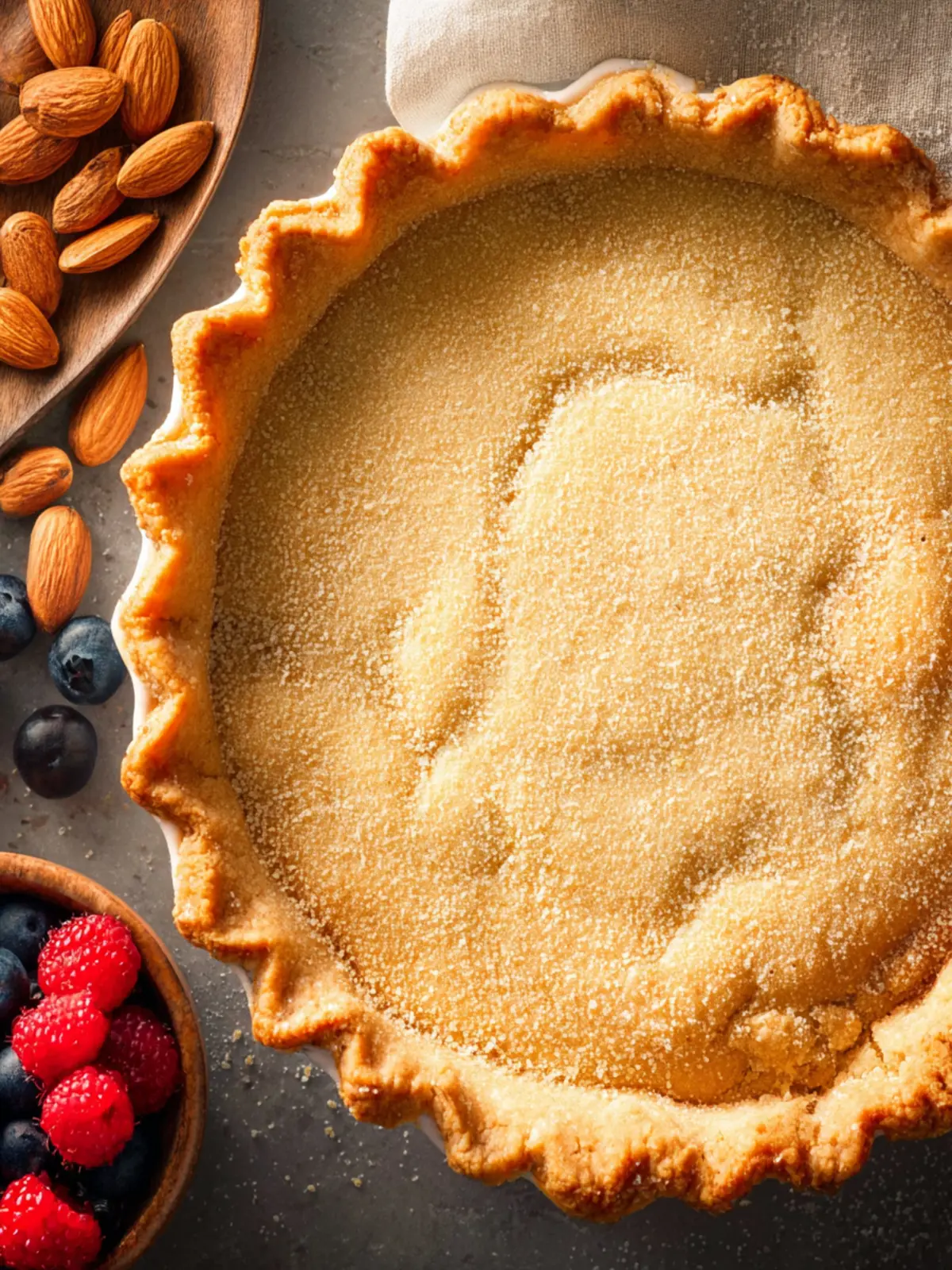
Serving Suggestions for Almond Flour Pie Crust
The beauty of an almond flour pie crust lies not just in its delightful texture and flavor, but also in its versatility. Whether you’re whipping up a classic dessert or experimenting with savory options, this crust can be the perfect canvas.
Sweet Pairings
- Fresh Fruits: Top your crust with an array of fresh fruits like berries, peaches, or even poached pears. The natural sweetness complements the nutty flavor of the crust beautifully.
- Custards and Creams: For a rich indulgence, fill your crust with pastry cream or lemon curd and add a dollop of whipped cream on top. The creamy filling paired with the almond flour pie crust creates a delightful contrast.
- Chocolate Ganache: If you crave chocolate, a creamy ganache filling is a dream come true. Just melt some chocolate with heavy cream, pour into the crust, and let it set for a decadent treat.
Savory Options
- Quiches: This crust works wonders for quiches packed with your favorite vegetables, cheese, and proteins. It’s a great option for brunch or a light dinner.
- Savory Tarts: Consider a roasted vegetable tart filled with seasonal veggies and herbs for a fresh and flavorful meal.
Every bite of your almond flour pie crust can tell a story when paired thoughtfully. So get creative and let your culinary artistry shine!
Time Breakdown for Almond Flour Pie Crust
Preparation Time
Crafting the perfect almond flour pie crust takes about 10-15 minutes. This is the time to gather your ingredients and mix them into a cohesive dough. The satisfaction of blending almond flour, butter, and a touch of salt sets the stage for a delicious dessert experience.
Baking Time
Baking the almond flour pie crust typically requires 15-20 minutes. During this time, your kitchen will fill with a delightful nutty aroma that hints at the treat soon to come. Keep an eye on the crust; you’ll want it to turn a lovely golden brown.
Total Time
In total, you’re looking at about 30-35 minutes from start to finish. Just think—less than an hour for a crust that’s both easy to make and adds a rich flavor to any pie. Perfect for a spontaneous dessert or a planned gathering!
Nutritional Facts for Almond Flour Pie Crust
Creating an almond flour pie crust has its perks, not just in flavor but in nutrition too! It’s a fantastic alternative for those looking for gluten-free or low-carb options, and here’s a quick look at the nutritional values.
Calories
A serving of almond flour pie crust typically contains around 160 calories. This makes it a satisfying base for desserts without going overboard.
Protein
What’s great about using almond flour is its protein content. Each serving offers about 6 grams of protein, which contributes to keeping you full and satisfied.
Sodium
Concerned about sodium? You will be pleased to know that a serving of almond flour pie crust usually has about 1 milligram of sodium. This makes it an excellent choice for those watching their salt intake!
Enjoy making this nutritious and delicious pie crust your go-to option for your favorite desserts!
FAQ About Almond Flour Pie Crust
When you embrace the versatility of an almond flour pie crust, you’re diving into a world of flavor and nutrition that elevates your baking game. Whether you’re making sweet pies or savory quiches, understanding the nuances of this delightful crust can help you create a masterpiece every time.
Can I use almond flour pie crust for savory dishes?
Absolutely! The almond flour pie crust is not just for desserts. Its nutty flavor works wonders in savory dishes too. You can fill it with ingredients like quiche fillings, savory meat pies, or even veggie-packed galettes. The slight sweetness complements many savory fillings, providing a unique twist that will wow your family and friends.
How do I store leftovers?
If you’ve got leftover almond flour pie crust, the best way to store it depends on whether it’s baked or unbaked. For an unbaked crust, wrap it tightly in plastic wrap and store it in the refrigerator for up to a week or freeze it for longer. Baked crusts can be covered with foil and kept in the fridge for about three to four days, or you can freeze slices for a quick dessert in the future. Just make sure to let it thaw in the fridge overnight before using.
Is almond flour healthier than regular flour?
Many consider almond flour a healthier alternative to regular flour, especially for those following gluten-free or low-carb diets. Almond flour is rich in healthy fats, protein, and fiber, all of which can contribute to a balanced diet. It also has a lower glycemic index, which may help in stabilizing blood sugar levels. However, moderation is key; using it as part of a varied diet ensures you reap the benefits without overdoing it.
Incorporating an almond flour pie crust into your cooking can enhance flavor profiles while providing a healthier option, making it a great addition to any modern kitchen.
Conclusion on Almond Flour Pie Crust
Creating an almond flour pie crust is not just a culinary choice; it’s a delightful journey into the realm of flavor and texture. This crust is incredibly versatile, accommodating both sweet and savory fillings, making it perfect for any occasion. By using almond flour, you’re not only enhancing taste but also adding a nutritional boost with healthy fats and proteins.
When you take that first bite, you’ll appreciate the rich, nutty flavor that complements your favorite fillings. Plus, the ease of preparation means you can whip up a pie quickly, leaving you more time to enjoy life’s little moments. So, whether it’s a summer berry tart or a classic quiche, a well-made almond flour pie crust elevates your dessert game effortlessly. Enjoy your baking adventures!
Print
Almond Flour Pie Crust
- Total Time: 27 minutes
- Yield: 1 pie crust 1x
- Diet: Gluten-Free
Description
This homemade almond flour pie crust is both simple and delicious, perfect for sweet or savory fillings.
Ingredients
Scale
- 3 cups blanched almond flour
- 1/4 cup dairy-free butter, melted
- 1 egg
- 3 tablespoons erythritol (or leave out the sweetener for a savory pie crust)
- 1/2 teaspoon salt
Instructions
- Preheat the oven to 350F and grease an 8 or 9-inch pie pan.
- In a bowl, combine the almond flour, erythritol, and salt. Mix lightly to distribute the ingredients evenly.
- Add the egg and melted butter. Mix until everything is well combined and a dough forms.
- Transfer the dough to an 8 or 9-inch pie pan.
- Press and spread the dough evenly across the bottom and up the sides of the pan using your hands. You can also use a rolling pin, the bottom of a glass, or a measuring cup to help smooth and shape it. Press firmly and shape the edges as desired.
- Use a fork to prick the bottom of the pie dough.
- If the filling you’ll be using doesn’t require baking, bake the almond flour pie crust for 12 minutes or until golden, let cool, and then add the filling. For a filling that requires baking: Pre-bake (blind bake) the crust for 7 minutes. Remove from the oven, add the filling, and return to the oven to finish baking as directed in your recipe.
Notes
- This pie crust can be used as a base for both sweet and savory pies.
- Adjust the sweetness according to the type of filling you choose.
- Prep Time: 15 minutes
- Cook Time: 12 minutes
- Category: Dessert
- Method: Baking
- Cuisine: American
Nutrition
- Serving Size: 1 slice
- Calories: 150
- Sugar: 0g
- Sodium: 75mg
- Fat: 14g
- Saturated Fat: 4g
- Unsaturated Fat: 10g
- Trans Fat: 0g
- Carbohydrates: 5g
- Fiber: 3g
- Protein: 4g
- Cholesterol: 28mg